1,20,000+
MTPA MANUFACTURING CAPACITY
30+
years in business
100%
commitment to quality
300+
dealers accross the region

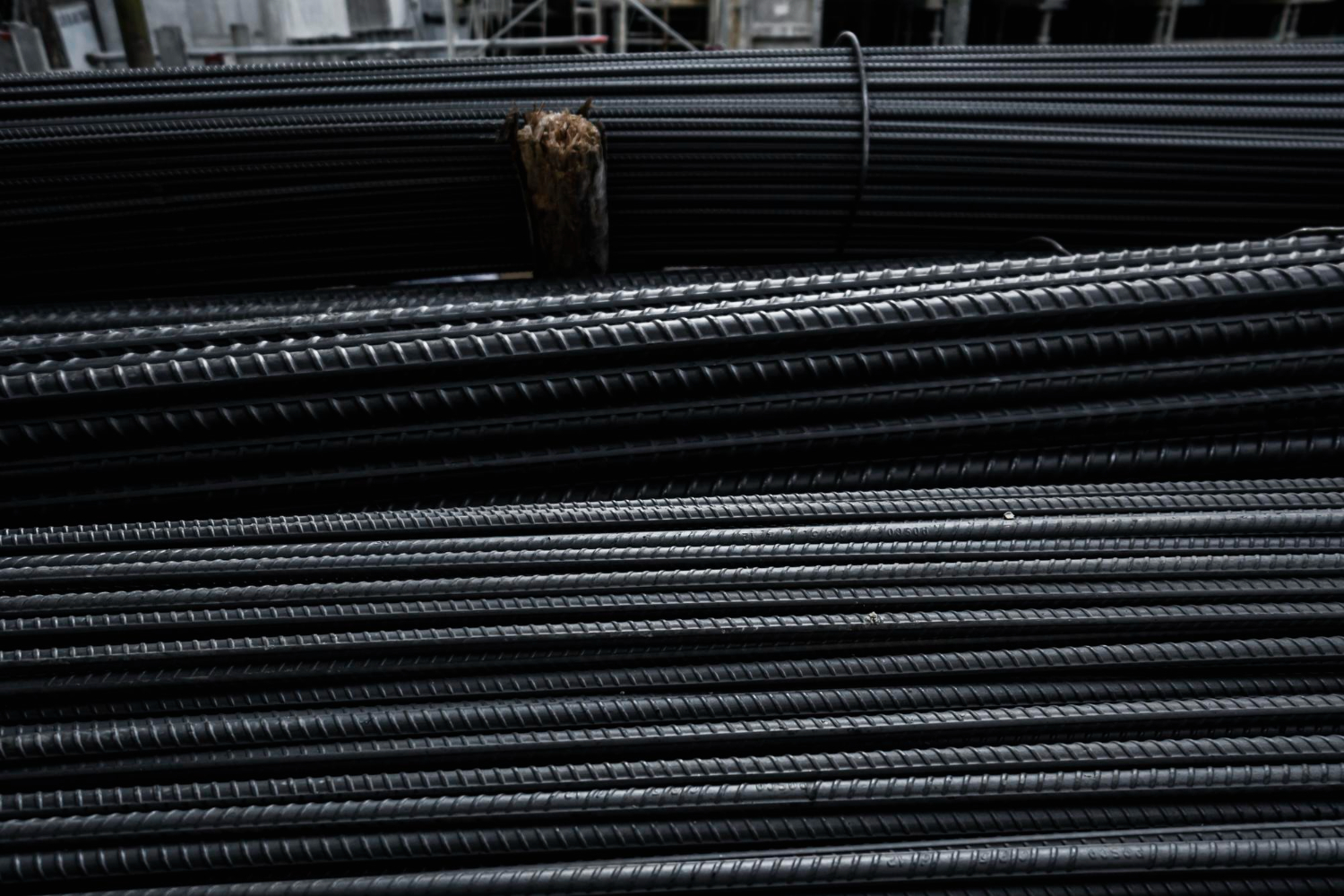
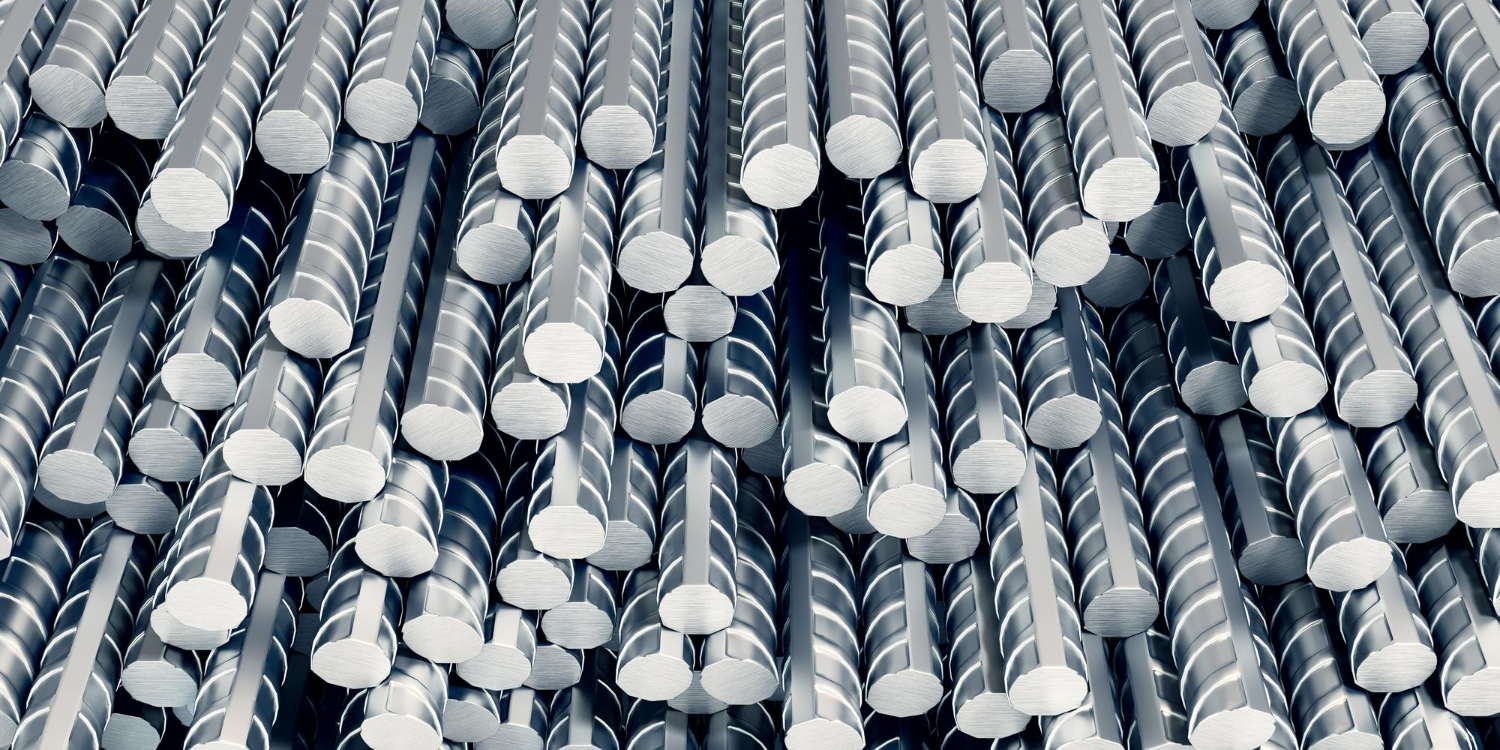

Parashakti TMT bars provide dependable reinforcement for homes, supporting foundations, columns, beams, slabs and walls. Their strength and flexibility make them suited to the varied structural requirements of residential construction.
From foundations and columns to slabs and beams, Parashakti TMT bars form an integral part of commercial structures. They provide the reinforcement needed to support demanding building frameworks and long-term structural performance.
High-rise construction requires reinforcement capable of handling substantial structural loads while allowing controlled deformation under stress. Parashakti’s high-strength TMT bars, including Fe 550D grades, provide the strength and ductility required for demanding vertical structures.
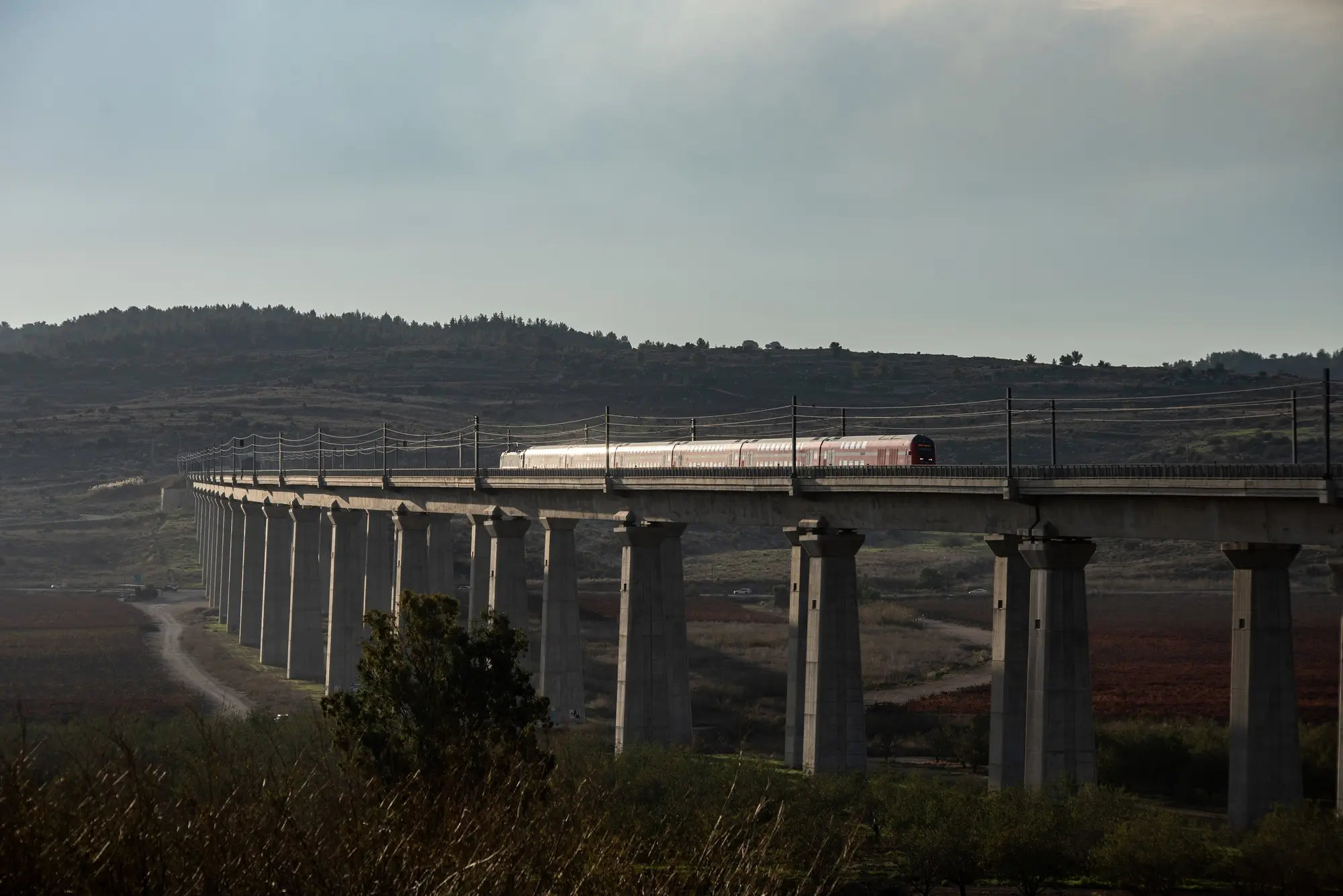
Bridges face heavy structural loads and challenging environmental conditions. Parashakti offers reinforcement solutions suited to bridge construction, including Fe 550D CRS and Epoxy Coated TMT Bars for applications where added corrosion protection and long-term structural reliability are important.
Coastal structures face greater exposure to moisture and salts, making material selection especially important. Parashakti’s reinforcement solutions, including Fe 550D CRS and Epoxy Coated TMT Bars, provide added protection against corrosion for demanding coastal applications.
TMT bars provide reinforcement across major foundations, structural frameworks and concrete infrastructure where high strength and structural reliability are required.
Factories, plants and warehouses require robust structural frameworks built to support their operational environments. Parashakti TMT bars reinforce foundations, columns, beams, floors and other concrete elements throughout industrial construction.
Water-retaining structures must withstand the pressure of retained water while maintaining structural integrity. Parashakti reinforcement is used across concrete foundations, walls, slabs and other structural elements in applications designed for water retention.





















Parashakti TMT Bars delivers dependable reinforcement solutions built for modern construction. With a focus on strength, quality, consistency and performance, every bar is made to meet demanding structural requirements. From residential and commercial projects to large-scale infrastructure, Parashakti is committed to building stronger, more durable structures.
India's infrastructure development depends on more than roads, buildings and bridges. Beneath and around these structures are the concrete components that support drainage, foundations, utility networks, earth retention and site development.For infrastructure developers, EPC contractors, civil contractors, industrial companies and government project teams, sourcing the right precast concrete products is an important procurement decision. The products must meet the project's engineering specifications, withstand the intended operating conditions and arrive according to the construction schedule.This is where precast concrete manufacturing plays an important role. Components are produced before being transported to the installation site, allowing suitable construction activities to take place in a manufacturing environment rather than entirely on-site.However, not every precast product serves the same purpose. A box culvert designed for a road crossing cannot automatically replace a drainage channel. A retaining wall requires different engineering considerations from a foundation or an underground chamber.Selecting the right product requires an understanding of its application, dimensions, loading requirements, installation conditions and long-term maintenance needs.Sachi Precast manufactures precast concrete solutions for infrastructure, renewable energy, industrial and other construction applications. Its product portfolio includes foundations, retaining walls and other precast components.This guide explains the major precast concrete product categories used in infrastructure projects across India, the technical factors buyers should evaluate and how to approach supplier selection for commercial and industrial requirements.
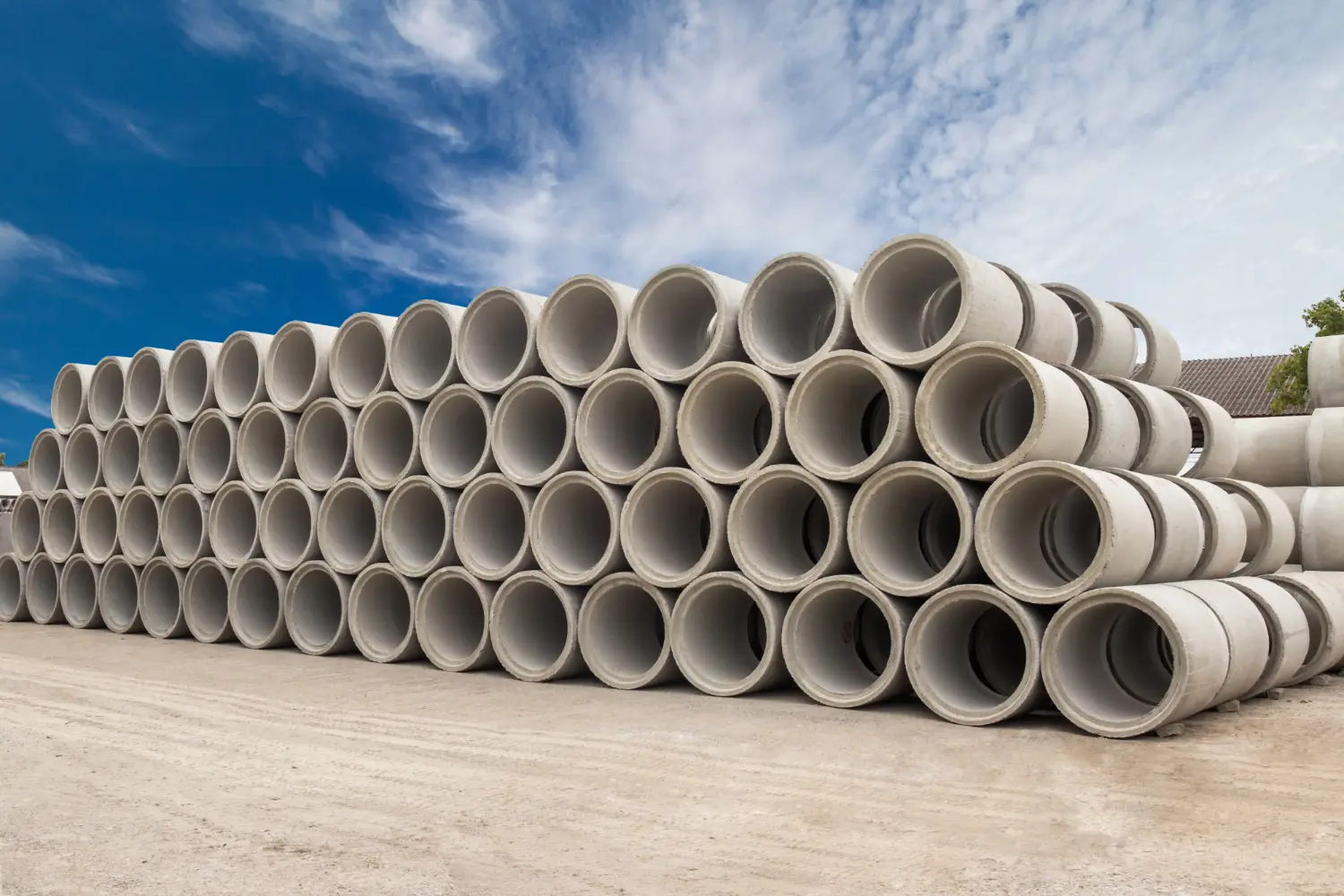
Large infrastructure projects are rarely defined by a single product or construction activity. Their success depends on how effectively engineering, manufacturing, transportation, site readiness and installation work together.This is particularly important in precast concrete construction, where structural components are manufactured away from their final location and transported to the site for installation. Unlike conventional construction, which often involves extensive on-site casting, precast construction requires careful coordination between factory production and site execution.For projects involving renewable energy infrastructure, rail corridors, industrial facilities and large-scale civil works, this coordination can influence construction schedules, material consistency and the overall efficiency of project delivery.At Sachi Precast, the approach extends beyond manufacturing individual concrete components. The company provides precast solutions for infrastructure projects, combining manufacturing capabilities with supply and on-site erection, depending on the project scope.With experience across projects such as the Mumbai–Ahmedabad Bullet TrainAdani Green Renewable Park and NTPC Solar ParkSachi Precast's project portfolio illustrates how precast construction can support demanding infrastructure requirements.Understanding the journey from production to installation provides a clearer picture of what it takes to deliver precast concrete solutions at scale.
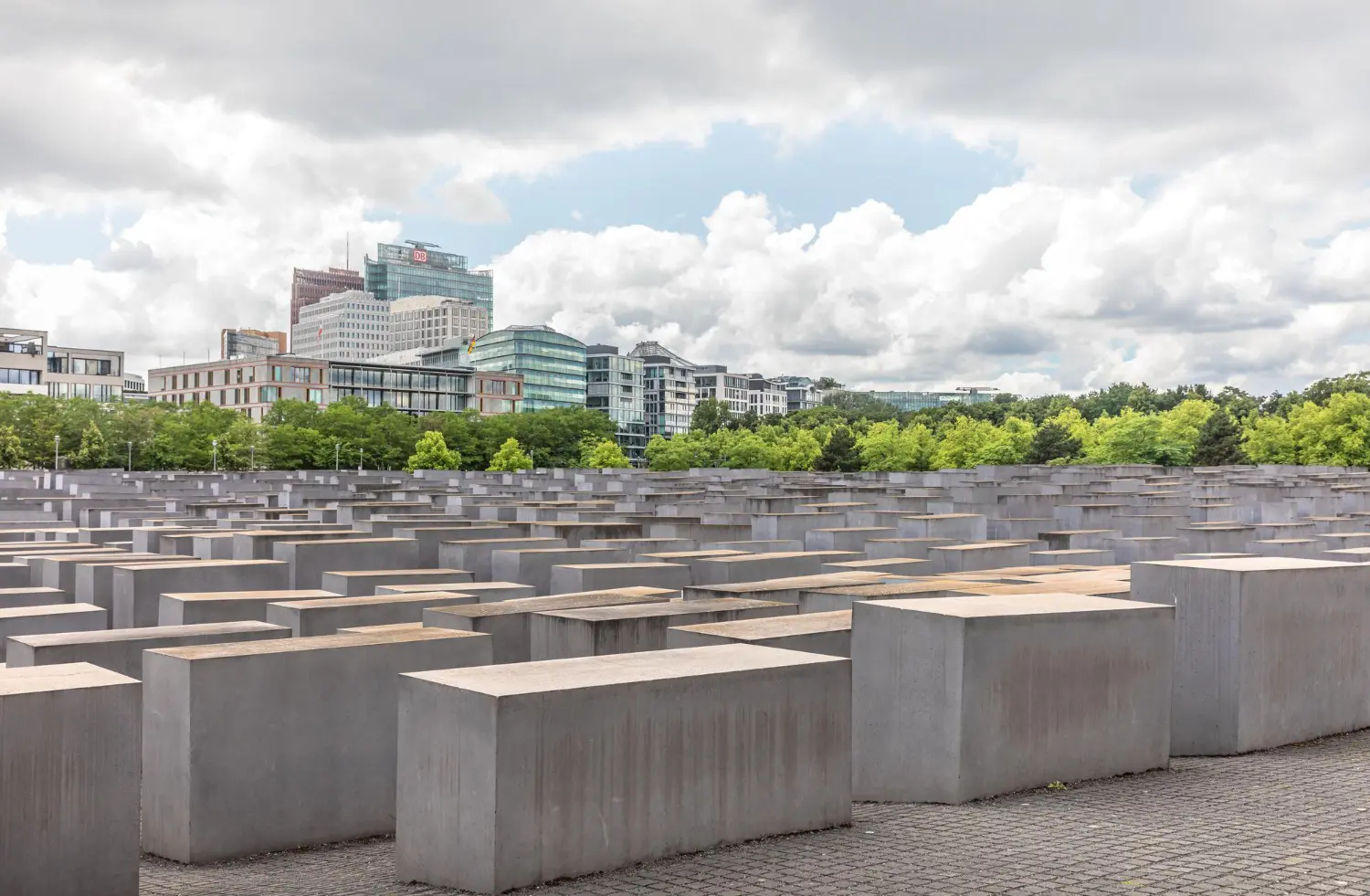
Developing a site is rarely as simple as constructing on a completely flat piece of land.Roads may need to pass along slopes. Industrial sites may have different ground levels. Warehouses and commercial developments may require elevated platforms. Infrastructure projects often have to work around existing terrain while maintaining stable levels across the site.Retaining walls are commonly used in these situations to hold back soil and manage differences in ground elevation.Traditionally, retaining walls have often been constructed directly at the project site using reinforcement, formwork and cast-in-situ concrete. But for projects where construction speed, repetitive work and controlled manufacturing are important, precast retaining walls offer another approach.A precast retaining wall is manufactured in a controlled facility and transported to the project site for installation.This can shift a significant part of the construction process away from the site and allow the retaining structure to be installed as part of a planned construction sequence.Sachi Precast manufactures precast retaining walls as part of its range of structural and infrastructure precast products.For developers, EPC contractors and infrastructure companies working across Gujarat, understanding where precast retaining walls fit into a project can help when planning both the structural and construction strategy.

Ahmedabad's rapid growth in residential development, industrial areas, warehouses, roads and infrastructure projects has increased the need for reliable drainage systems. A well-designed drainage network is essential for moving rainwater and surface runoff away from roads, buildings, factories and other developed areas.One of the commonly used solutions for this purpose is the precast U drain.Precast U drains are manufactured concrete drainage channels that can be installed along roads, industrial premises, commercial developments, residential projects and infrastructure sites. Because they are manufactured before reaching the project site, they can help make drainage construction more organized and predictable compared with building every drainage channel on-site.For projects in Ahmedabad and across Gujarat, choosing the right U drain manufacturer is important because the product needs to suit the required dimensions, drainage conditions, loading environment, installation method and project quantity.If you are currently comparing drainage solutions, you can also explore Sachi Precast's U Drain with Cover for a product-specific overview.
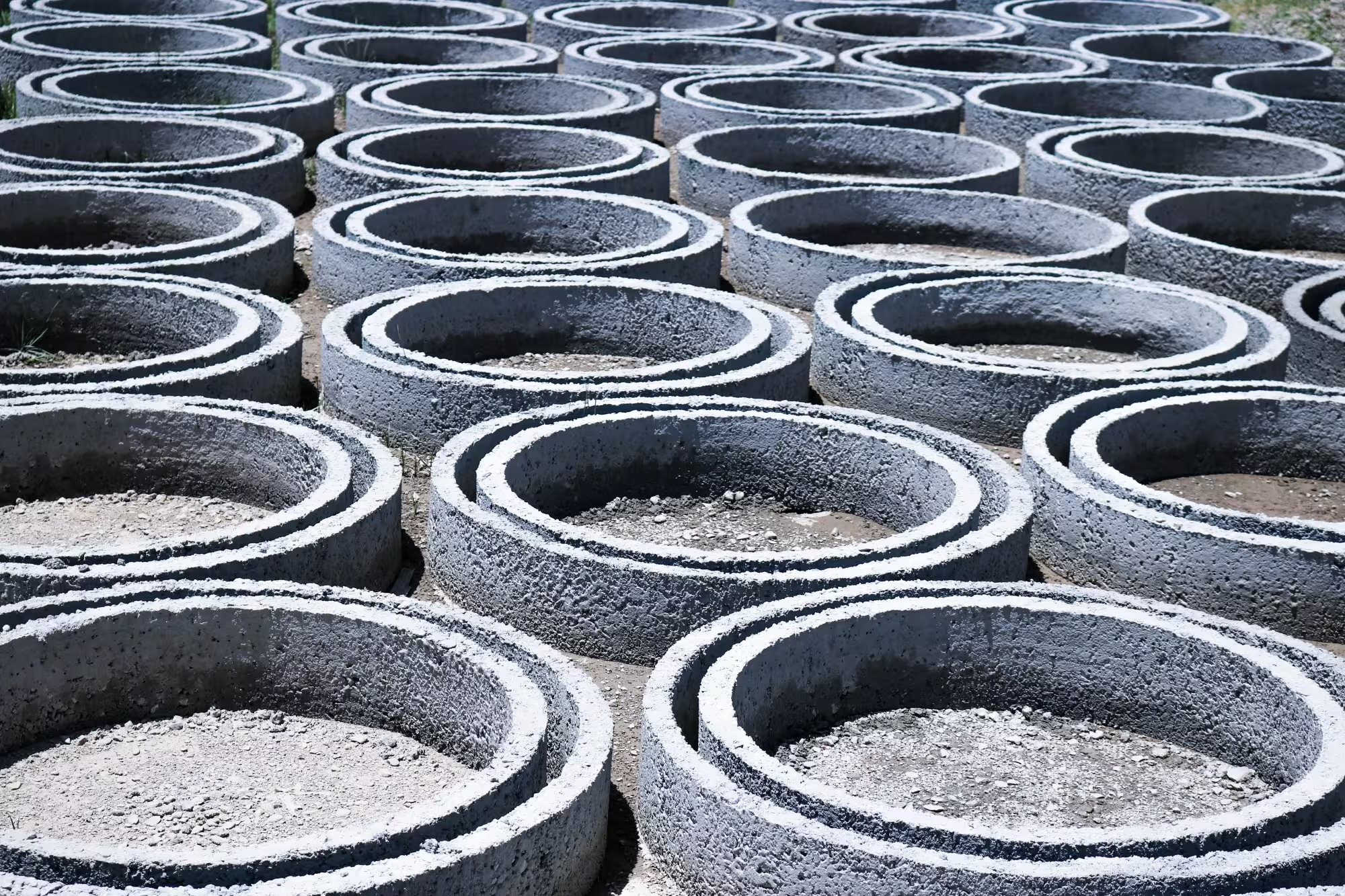
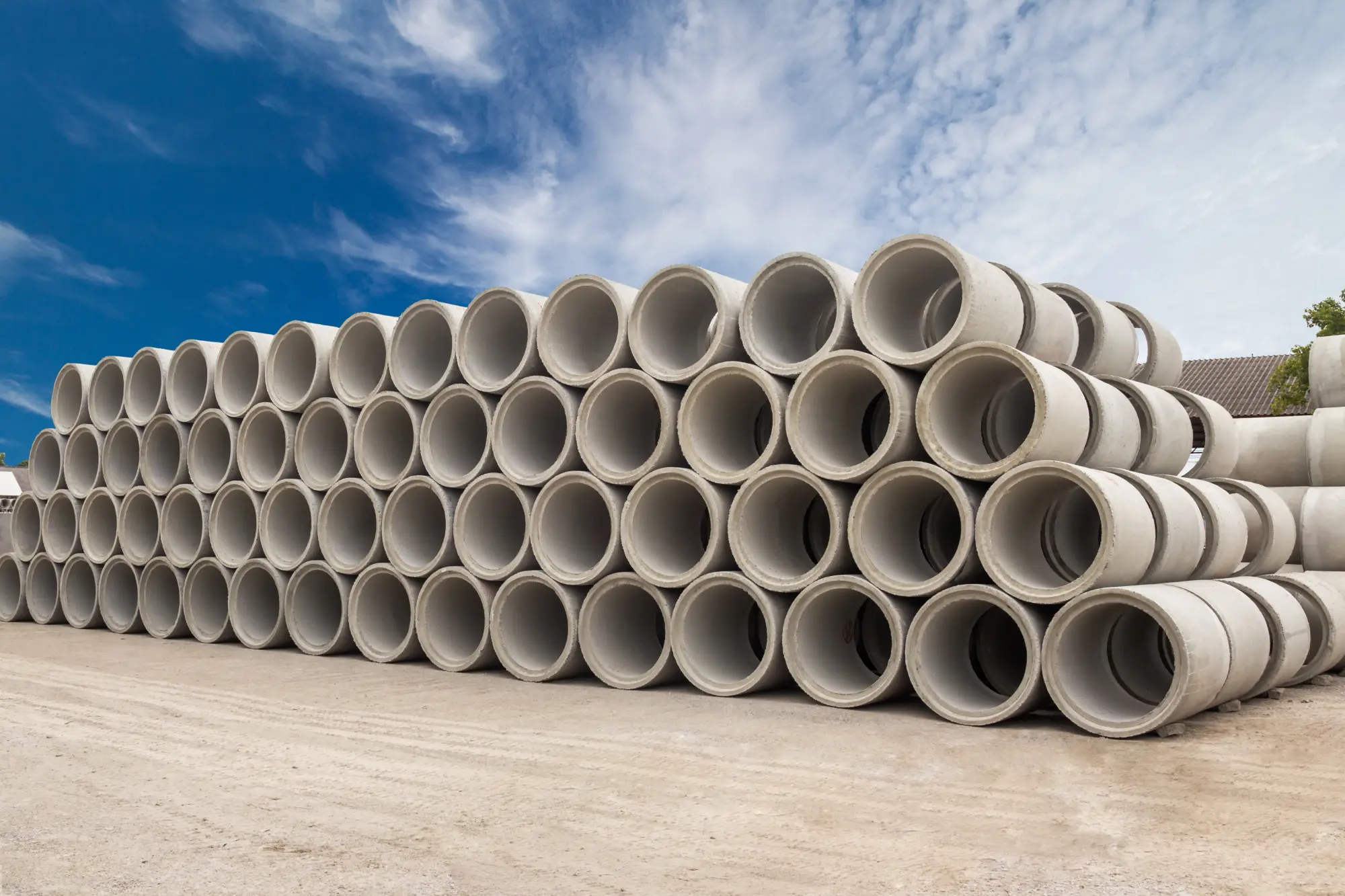
Drainage is one of the most important parts of any construction or infrastructure project, even though much of it eventually becomes invisible.Roads, industrial facilities, warehouses, residential developments, commercial properties and renewable-energy projects all need a reliable way to collect and move rainwater, surface runoff or wastewater. When drainage is poorly planned, water can accumulate around roads, buildings and open areas, potentially affecting surrounding infrastructure and increasing maintenance requirements.This is where precast drainage channels can provide a practical solution.Precast concrete drainage channels are manufactured before being transported to the project site, where they are installed as part of the project's drainage network. Depending on the application, the system may include U drains, covered drains, RCC pipes, manhole chambers, junction chambers, box culverts and other precast components.For contractors, developers and infrastructure companies searching for a precast drainage channel manufacturer in Ahmedabad, understanding the different options is important before selecting a product.Sachi Precast manufactures a range of precast infrastructure products, including U Drains with CoversManhole ChambersRCC Hume Pipes and Box Culverts
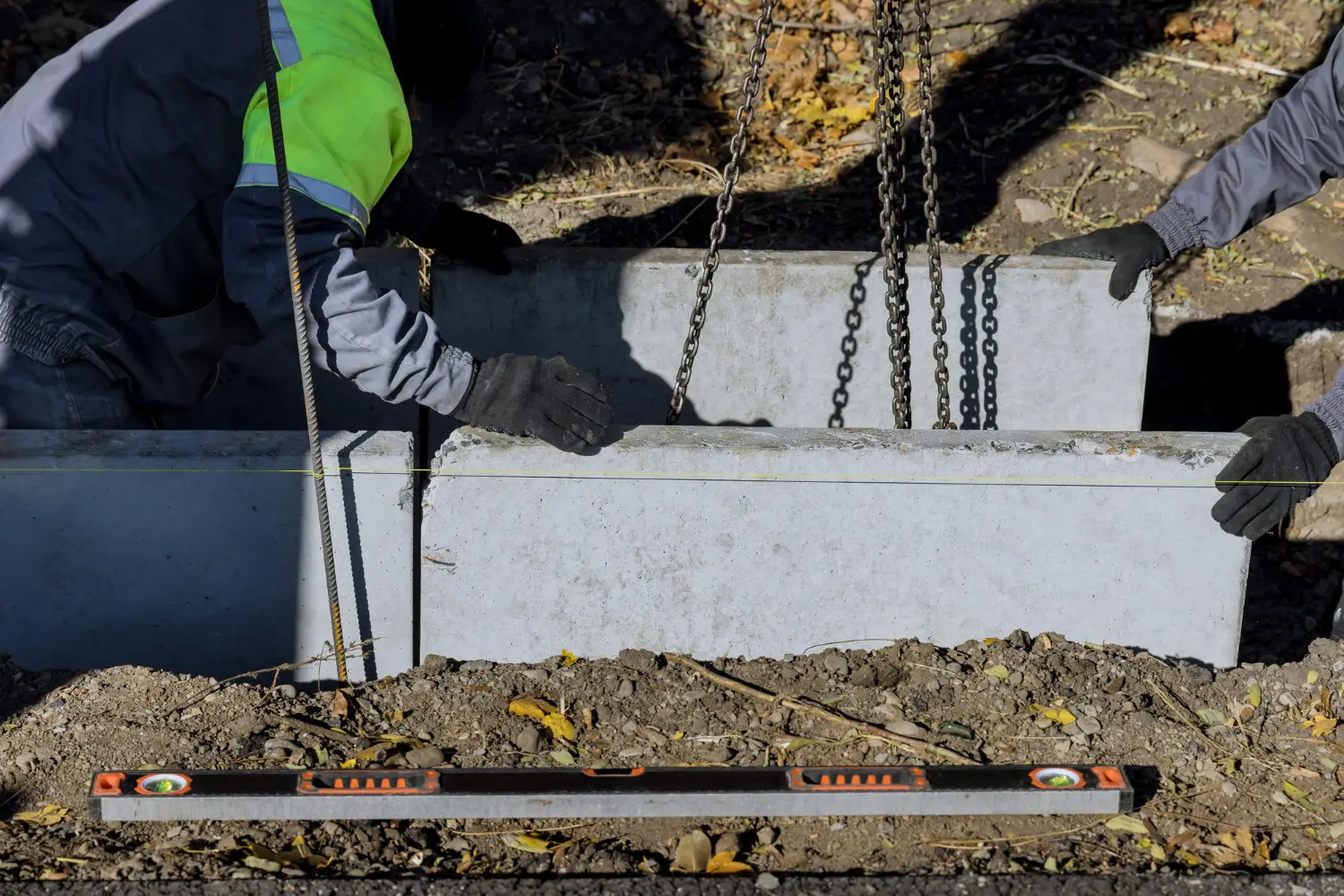
Infrastructure projects rarely depend on one type of concrete component.A highway may require drainage systems, culverts, retaining structures and utility chambers. An industrial development may need boundary walls, foundations, stormwater systems and access infrastructure. A renewable energy project may require drainage, foundations, roads and other supporting civil structures across a large site.This is why choosing precast concrete for an infrastructure project is not simply about selecting a product.The real question is:What does the project actually need?Precast concrete allows many of these components to be manufactured in controlled factory conditions and transported to the site for installation. For large developments, this can support consistency, project planning and efficient construction.
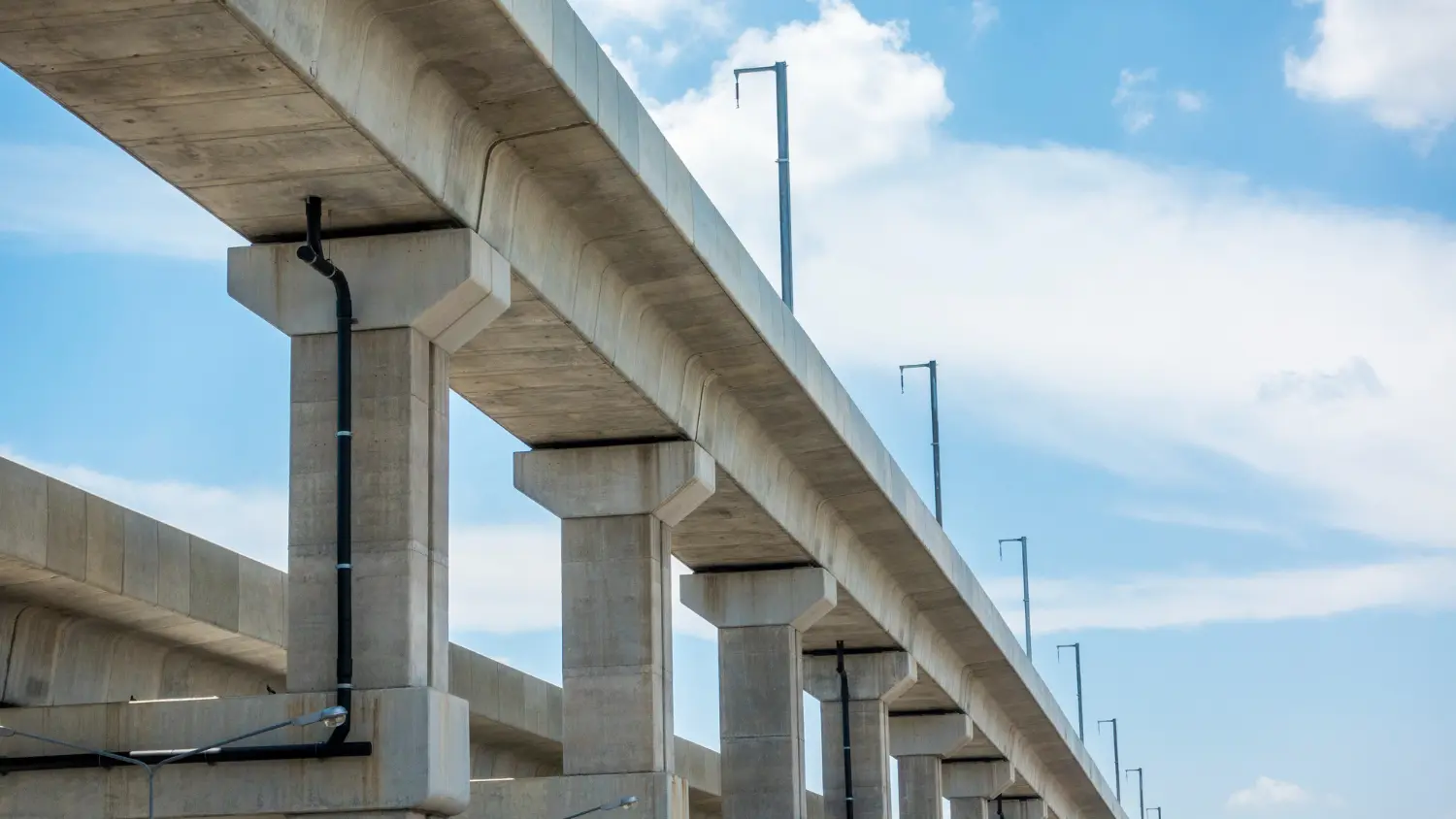
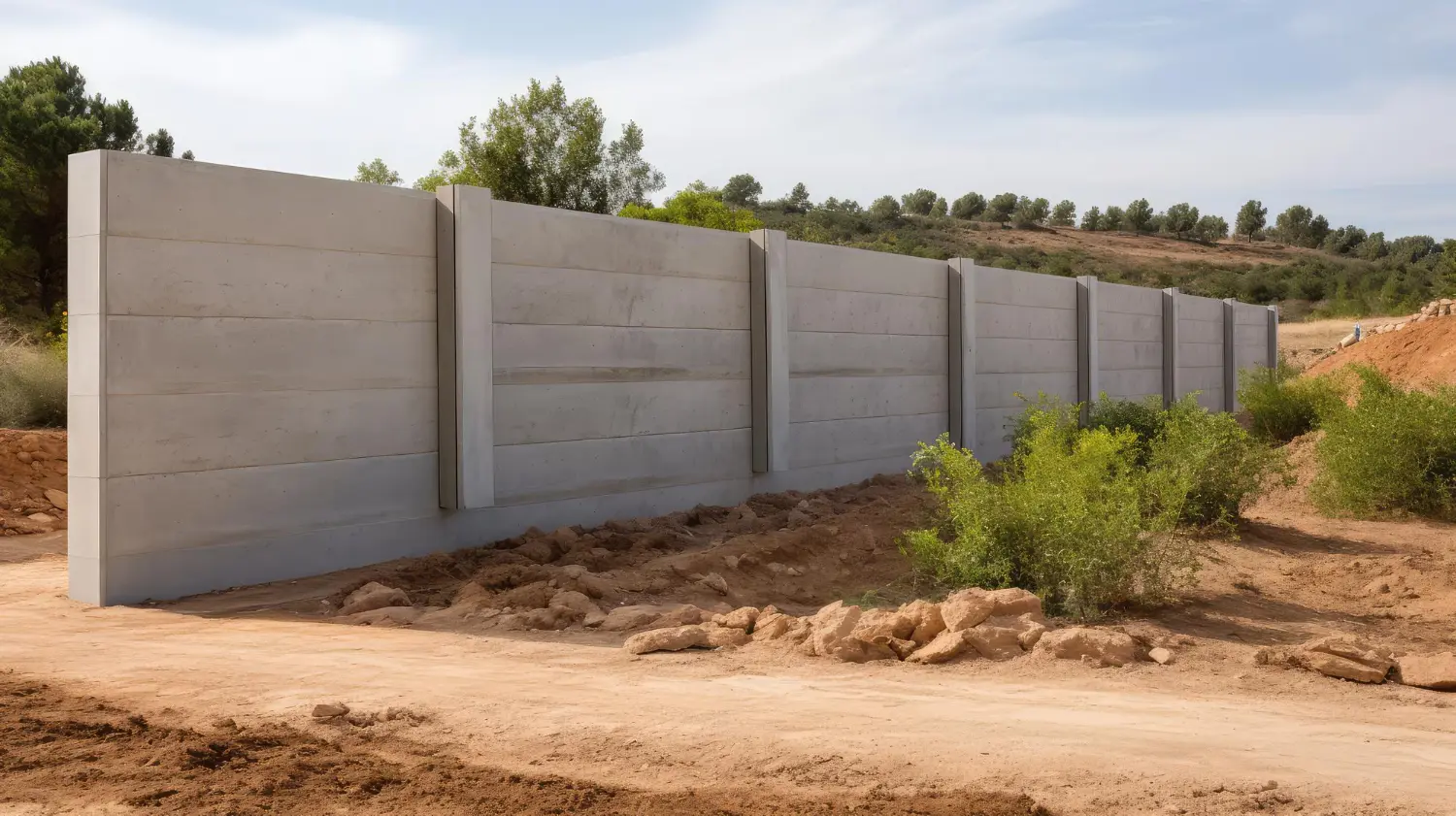
Retaining walls are easy to overlook when you look at a completed infrastructure project.But before a highway, industrial facility, solar park, warehouse or large development can operate safely, the land itself often needs to be managed.Different elevations need to be supported.Slopes need to be controlled.Soil needs to be retained.Roads and structures need stable ground conditions.This is where retaining walls become an important part of civil infrastructure.For large projects across Gujarat, precast retaining walls can provide a practical solution where controlled manufacturing, repeatable components and efficient installation are important.However, choosing a retaining wall manufacturer should involve much more than comparing prices.The manufacturer's production capability, product quality, engineering requirements, site conditions, transportation and installation all need to be considered.
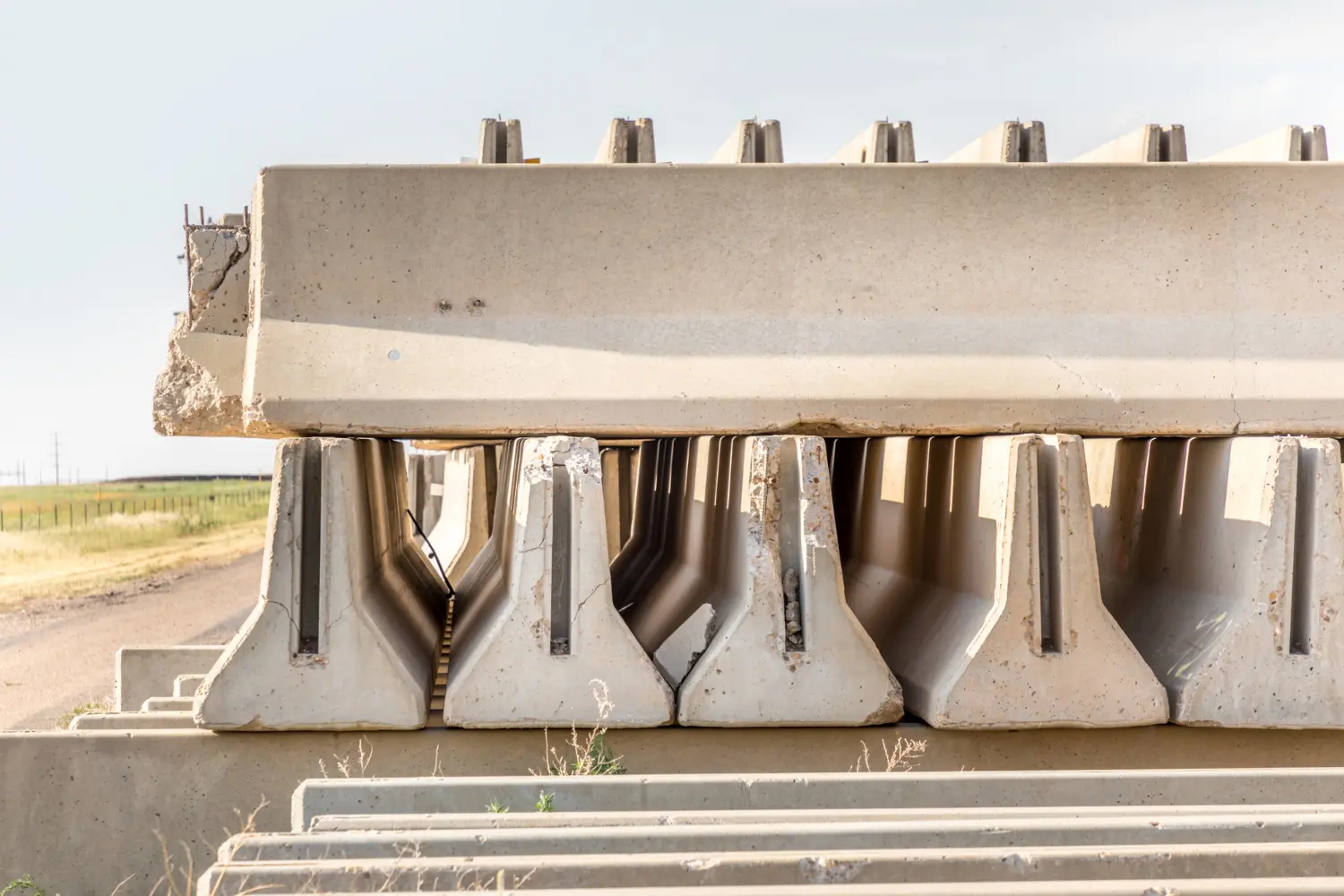
Drainage is one of the most important parts of any infrastructure project, yet it is often one of the least visible.Whether it is an industrial park in Ahmedabad, a highway project, a renewable energy development, a residential township or a large public infrastructure project, water needs a planned path to move through and away from the site.Poorly planned drainage can lead to waterlogging, erosion, road damage, maintenance problems and disruption to operations.This is why choosing the right drainage products—and the right precast manufacturer—is an important part of project planning.For projects across Gujarat, precast concrete drainage solutions such as Box Culverts, Hume Pipes, U Drains, Manhole Chambers and Junction Chambers can form important parts of an engineered stormwater and utility network.At Sachi Precast, we manufacture a range of precast concrete solutions for infrastructure, industrial, renewable energy, transportation and commercial projects.
Every major infrastructure project begins with hundreds of decisions.Some involve budgets.Some involve timelines.Others determine how well the project performs for decades.Choosing an RCC pipe manufacturer is one of those decisions.At first glance, one concrete pipe may look much like another.But the difference often lies in how it's manufactured, the quality standards followed, the consistency of production, and the manufacturer's ability to support large-scale infrastructure projects.If you're looking for the best RCC pipe manufacturer in Gujarat, here's what you should actually evaluate before making a decision.
When people think about industrial construction, they usually picture massive factories, warehouses, logistics parks, solar plants or manufacturing facilities.What they rarely think about is everything that needs to be built before those projects can even begin operating.Roads.Drainage systems.Utility corridors.Retaining structures.Inspection chambers.Stormwater infrastructure.Boundary systems.Every successful industrial project depends on reliable infrastructure beneath the surface.And that is where precast concrete plays one of the most important roles.As Ahmedabad continues to establish itself as one of India's fastest-growing manufacturing and industrial hubs, the demand for dependable, large-scale precast solutions has grown significantly.Developers today aren't simply looking for concrete products.They're looking for manufacturing partners who can consistently deliver engineered precast solutions for projects that demand quality, precision and timely execution.If you're searching for an industrial precast manufacturer in Ahmedabad, here's what you should know before choosing one.

Every year, the same thing happens.The rains arrive.A few hours later, roads begin disappearing under water.Traffic slows to a crawl.Vehicles break down.Neighbourhoods get flooded.People blame the rain.But the rain usually isn't the real problem.The real problem is often hidden beneath the road itself.A well-designed road isn't just about the asphalt or concrete you drive on. It's also about everything underneath it—drainage systems, stormwater planning, culverts, pipes, chambers, and the infrastructure that quietly carries rainwater away.When that underground infrastructure isn't designed properly, even a newly built road can struggle during heavy rainfall.

When people hear about India's semiconductor industry, they usually think about microchips.Factories.Technology.Electronics.Artificial Intelligence.But before a single semiconductor chip is manufactured, something much larger has to be built.The factory itself.Roads.Drainage systems.Utility corridors.Boundary infrastructure.Stormwater management.Civil foundations.Every semiconductor manufacturing facility depends on a vast network of supporting infrastructure.And that's one reason India's semiconductor expansion is becoming an important story not only for technology companies—but also for the construction industry.
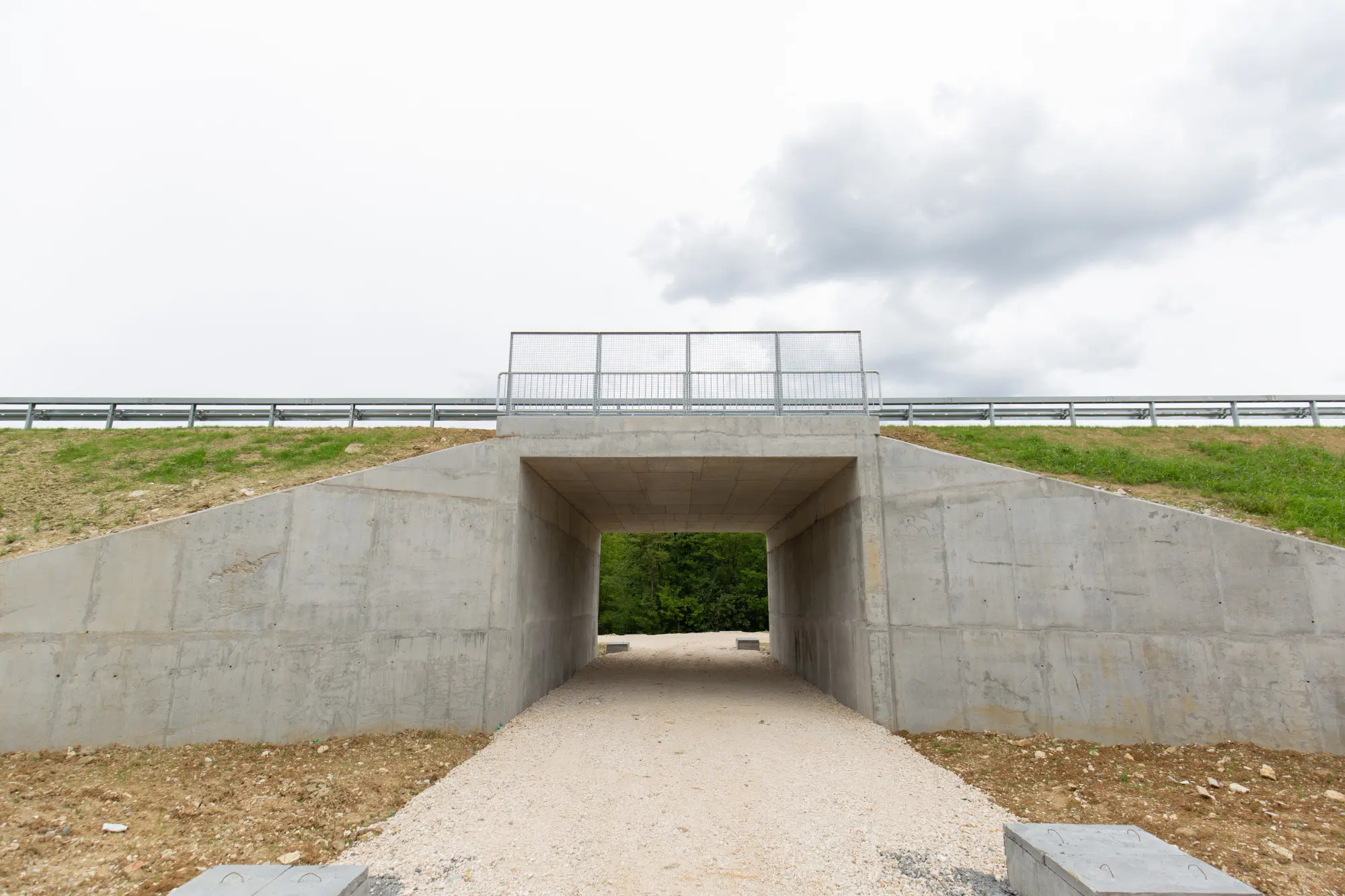
You’ve probably driven over a box culvert hundreds of times.And chances are, you never noticed.That is actually the point.Some of the most important infrastructure systems are the ones most people never see.Hidden beneath roads, highways, industrial developments, residential townships, and large infrastructure projects, box culverts help solve one of construction’s most fundamental challenges:How do you allow water, drainage, and utilities to pass through an area without disrupting the infrastructure above it?The answer, in many projects, is a box culvert.But what exactly is a box culvert? Where is it used? And why are precast box culverts becoming increasingly relevant for modern infrastructure projects?Let’s take a closer look.
Gujarat is building at an extraordinary scale.Renewable energy parks. Industrial facilities. Transportation networks. Commercial developments. Residential communities. Urban infrastructure.Projects of this scale require more than construction materials.They require reliable manufacturing, engineering expertise, consistent quality, dependable execution, and the ability to understand complex project requirements.For developers, EPC contractors, architects, consultants, infrastructure companies, and project owners searching for the best precast manufacturer in Gujarat, Sachi Precast has established itself among the leading names in the industry through its diverse product portfolio and experience supporting major projects across multiple sectors.So, what makes Sachi Precast different?
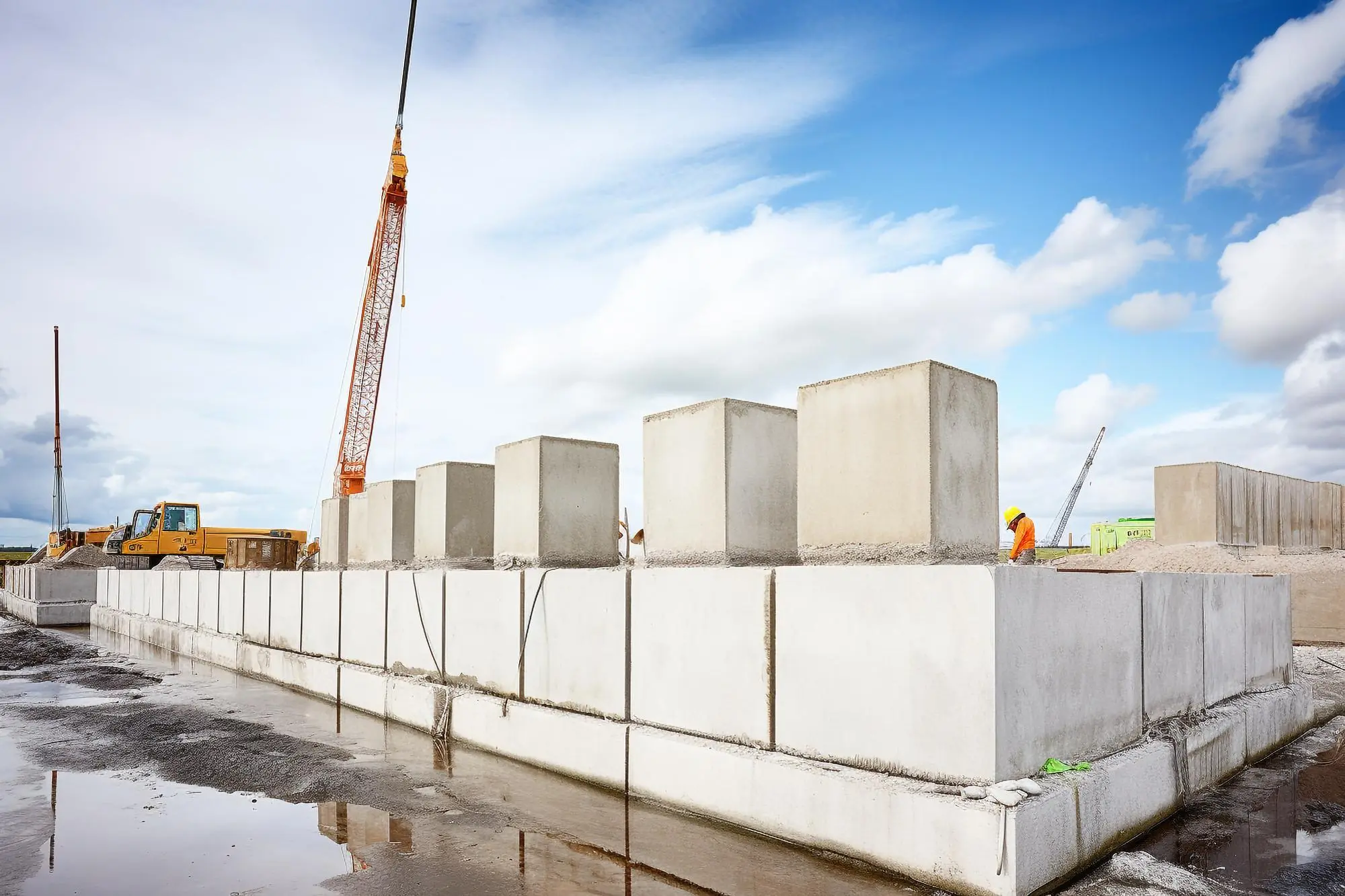
How do you construct massive infrastructure projects in growing cities without manufacturing every structural component directly at the project site?The latest developments at Nagpur Metro offer an interesting answer.According to a recent report on the Nagpur Metro expansion, massive 120-tonne precast pier arms are being transported and installed for stations along the Reach-3A Hingna corridor.The report states that each station requires 20 pier arms, with 140 precast components planned across seven stations.But perhaps the most interesting part of this development is not simply the size of these components.It is what their use tells us about the changing way India is building large-scale infrastructure.
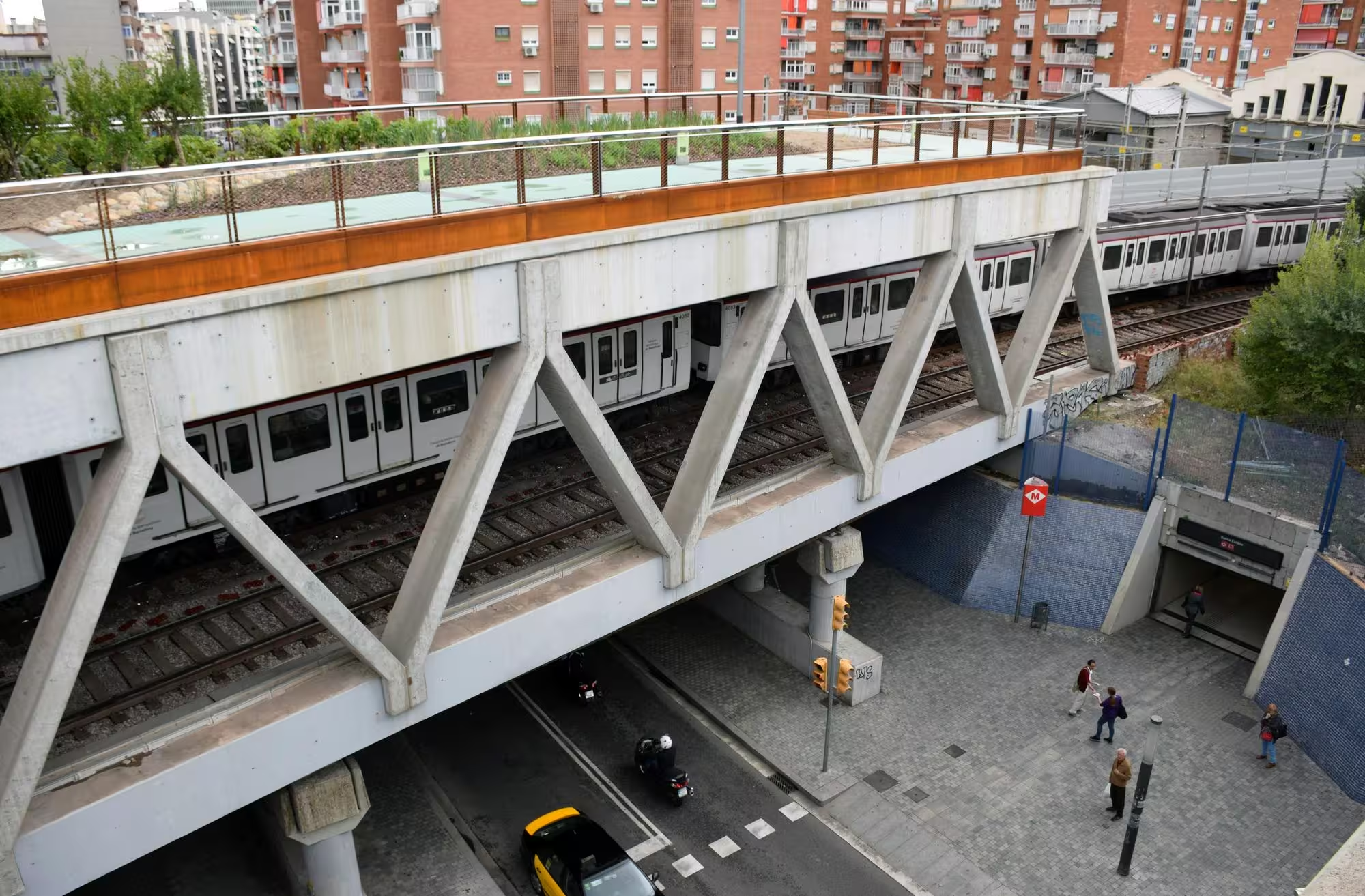
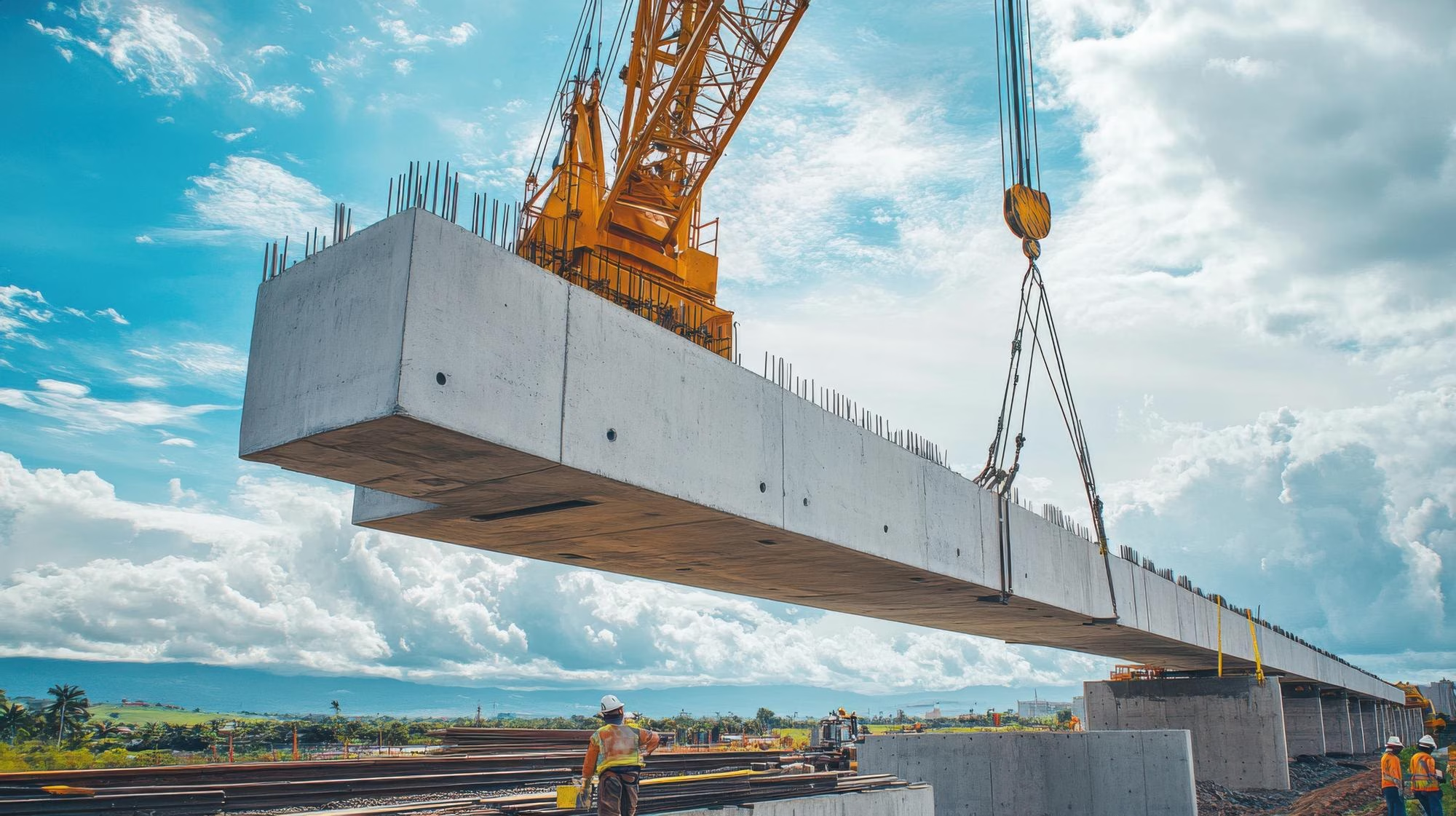
Mention precast construction to a group of people and you'll probably hear a few common assumptions."It's only for government projects." "It isn't suitable for homes." "It limits design options.""It's too expensive. "While these ideas have existed for years, modern precast construction has evolved significantly.Today, precast concrete is used across residential developments, commercial buildings, industrial facilities, renewable energy projects, transportation infrastructure, and large-scale public works. So, let's separate myth from reality.
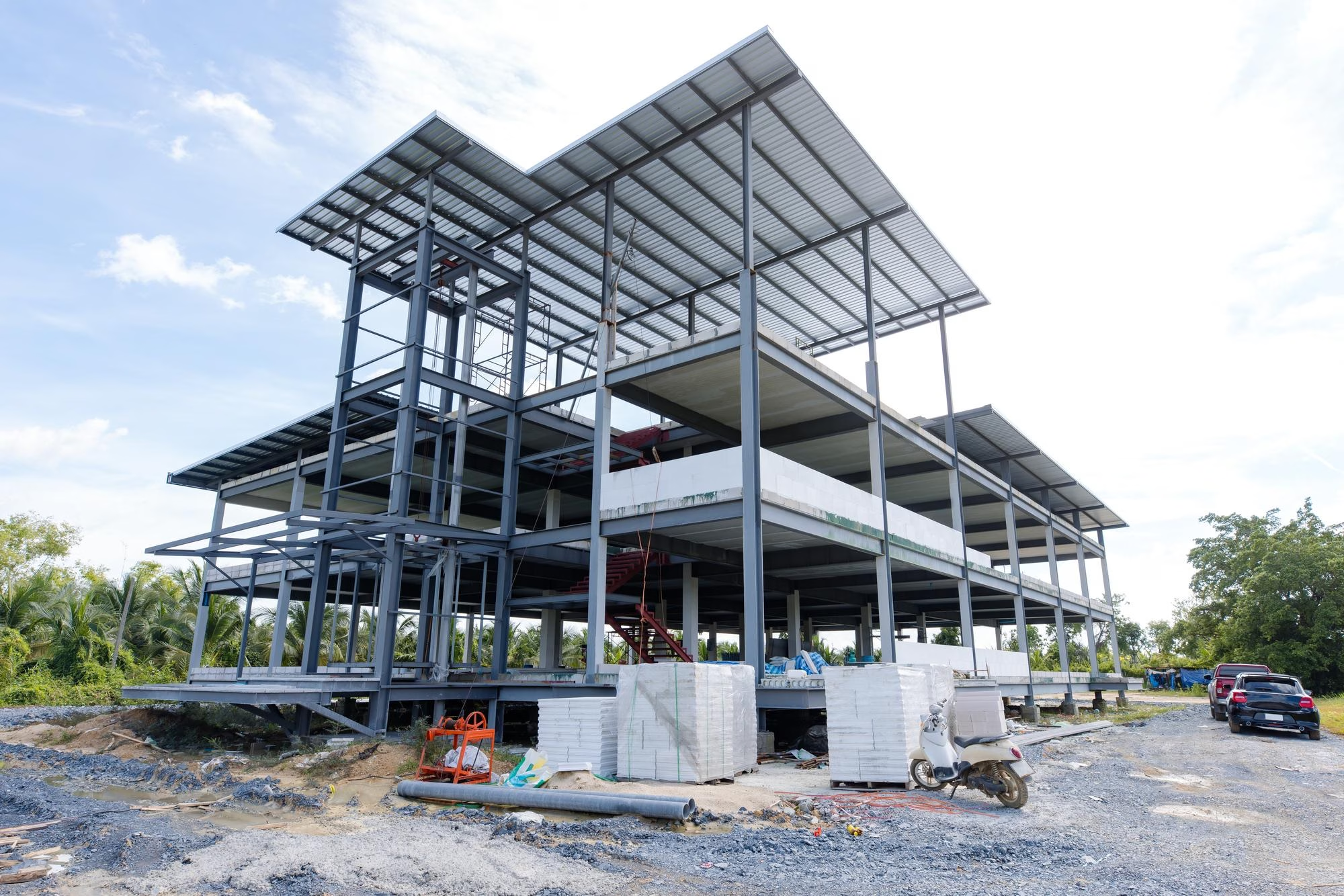
Whether you're developing a residential township, an industrial facility, a commercial building, or a renewable energy project, choosing the right precast partner is one of the most important decisions you'll make.Most people compare prices.Some compare delivery timelines.Others simply choose the nearest manufacturer.But experienced developers know that selecting a precast partner goes far beyond comparing quotations.The right partner doesn't just supply products.They contribute to the long-term success of your project.
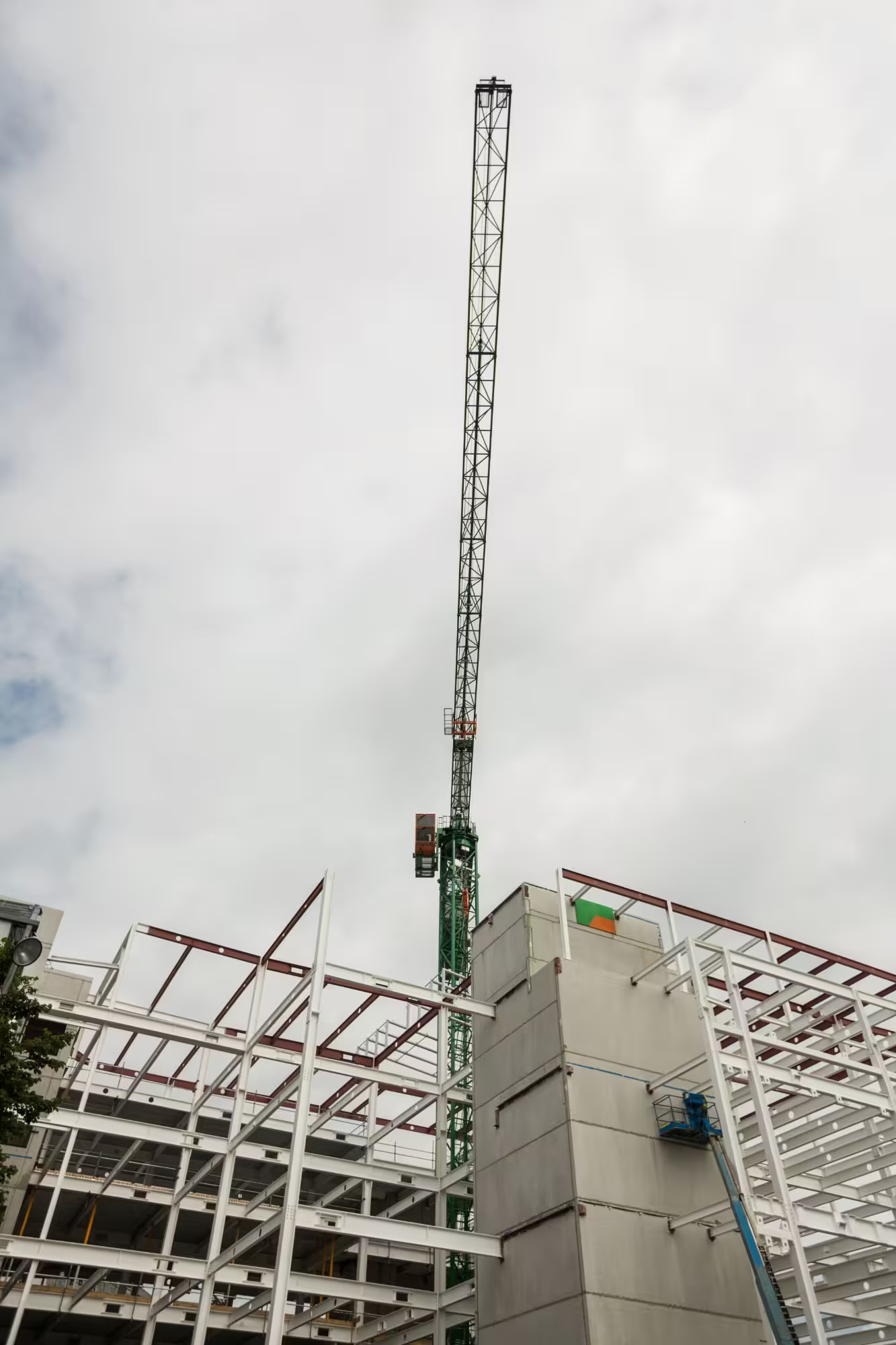
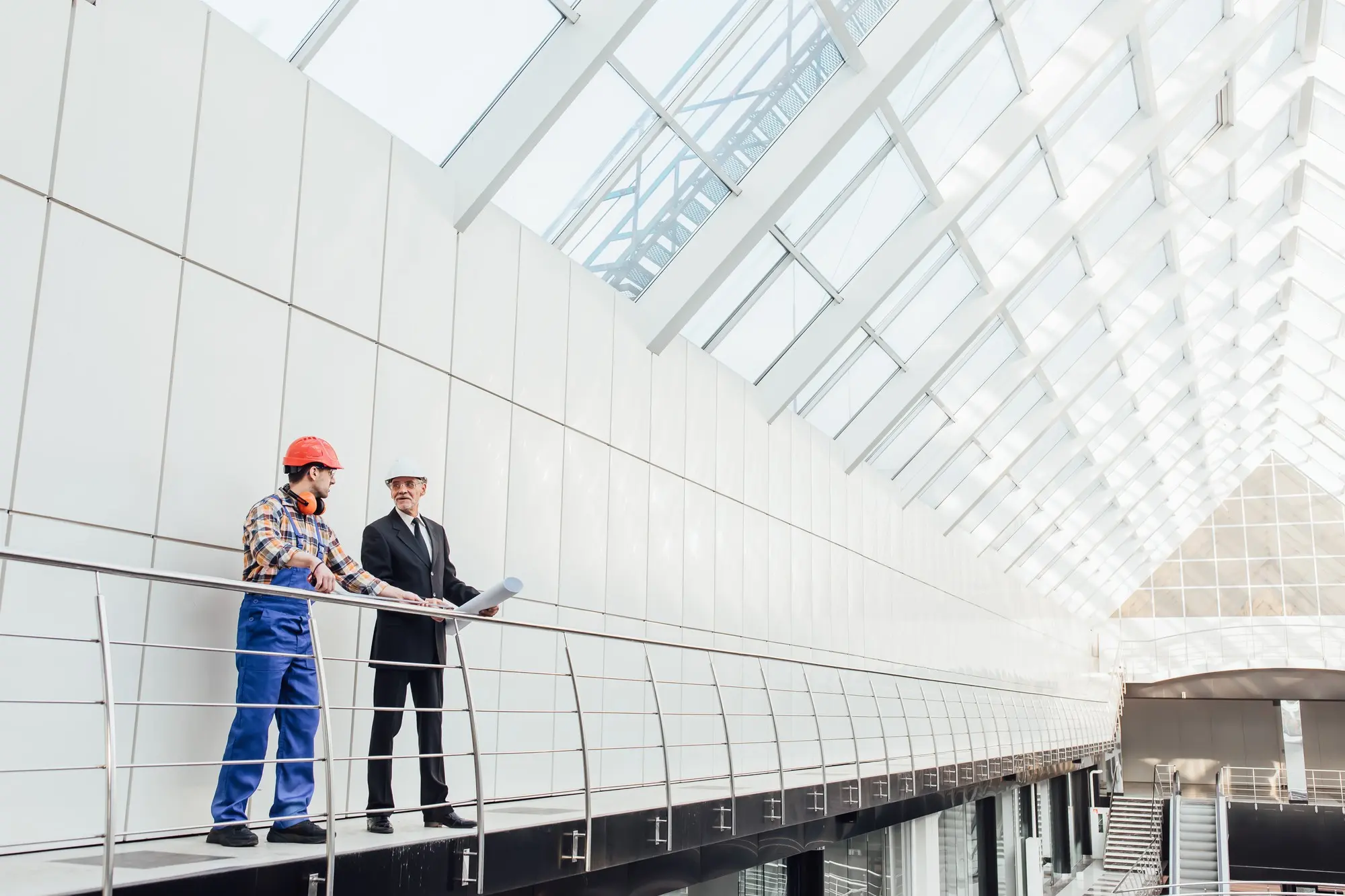
When most people hear the term precast construction, they often think about infrastructure projects, drainage systems, or large-scale public developments.What many don't realize is that precast construction is increasingly being used for commercial buildings as well.From office spaces and industrial facilities to warehouses, commercial complexes, and business parks, developers are exploring new ways to improve construction speed, quality, and project predictability.As businesses across Gujarat continue expanding, the demand for construction methods that reduce delays and improve efficiency is becoming more important than ever.This naturally raises a question:Can you build a commercial building using precast construction?The answer is yes—and in many situations, it can offer significant advantages.
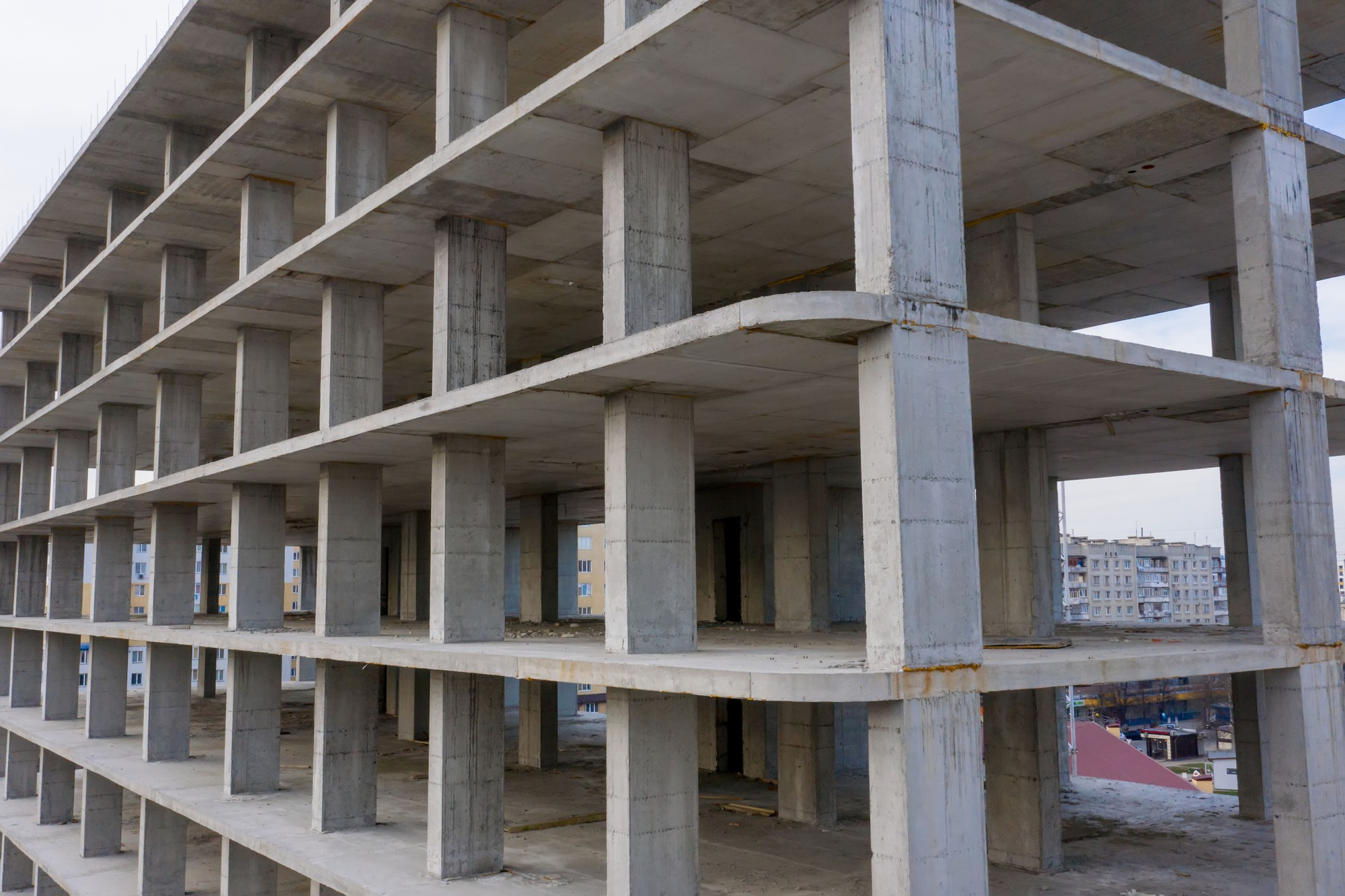
Every successful infrastructure project leaves behind more than completed construction.It leaves behind lessons.Lessons about planning, execution, coordination, long-term thinking, and the decisions that ultimately determine whether a project performs successfully for decades or struggles with challenges shortly after completion.Over the years, Sachi Precast has had the opportunity to support a variety of infrastructure, transportation, industrial, and renewable energy developments across Gujarat. Through projects such as the Adani Green Renewable Park Project, NTPC Solar Park Project, Tata Power Mundra Project, and the Mumbai–Ahmedabad Bullet Train Project, one thing has become increasingly clear:The projects that perform best over time are rarely the ones that focus only on construction. They are the ones that focus on planning, infrastructure, and long-term performance from the very beginning.
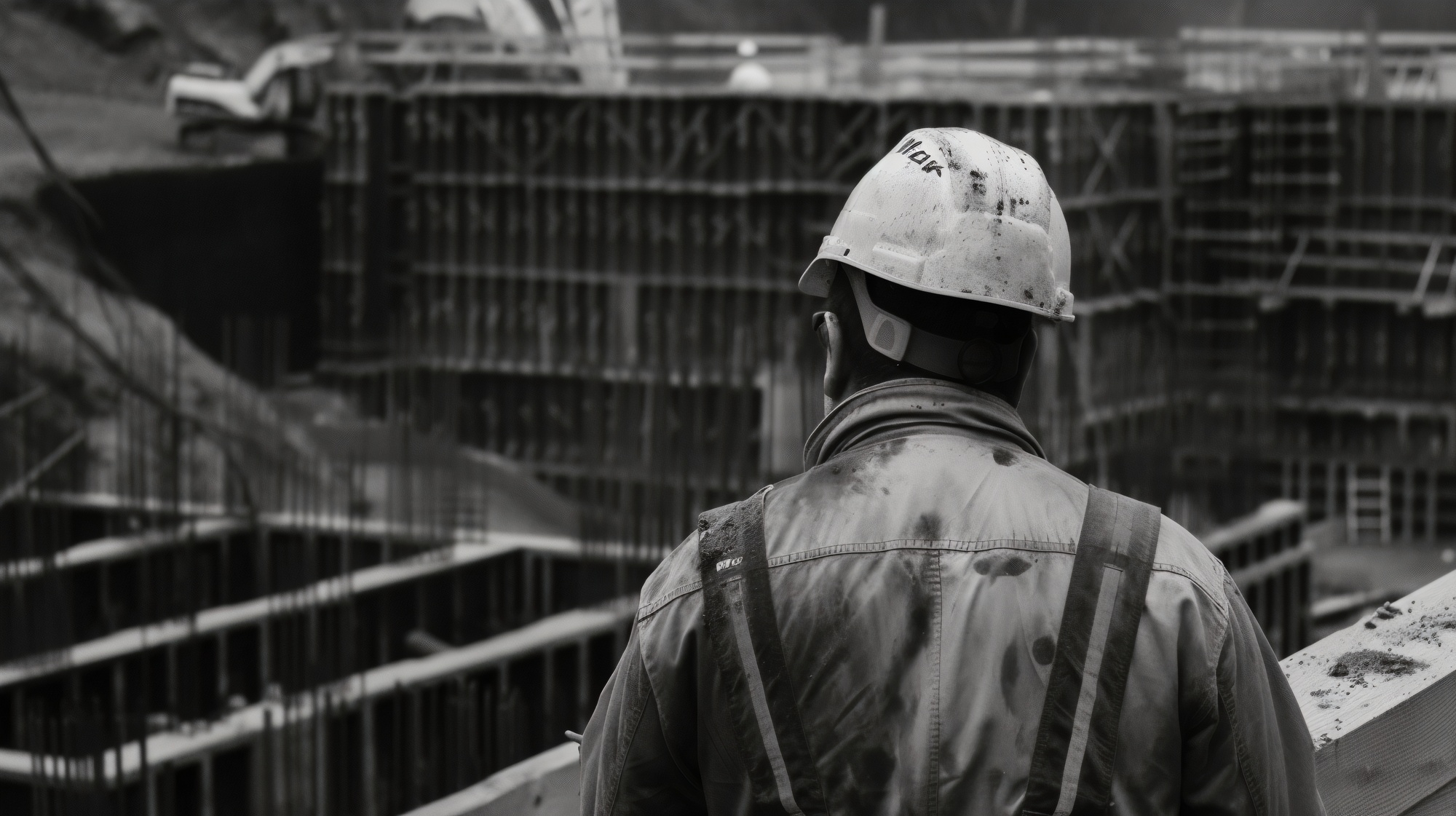
When people think about renewable energy projects, they usually picture rows of solar panels stretching across vast landscapes. What often goes unnoticed is the infrastructure beneath and around those panels—the systems that quietly ensure the project continues operating efficiently for decades. While solar panels generate power, infrastructure determines how reliably that power-generating asset performs over its lifetime. From drainage systems and utility networks to access roads and water management infrastructure, successful renewable energy projects are built on far more than energy-generation technology alone. As India continues expanding its renewable energy capacity, particularly in Gujarat, the importance of supporting infrastructure is becoming increasingly clear.
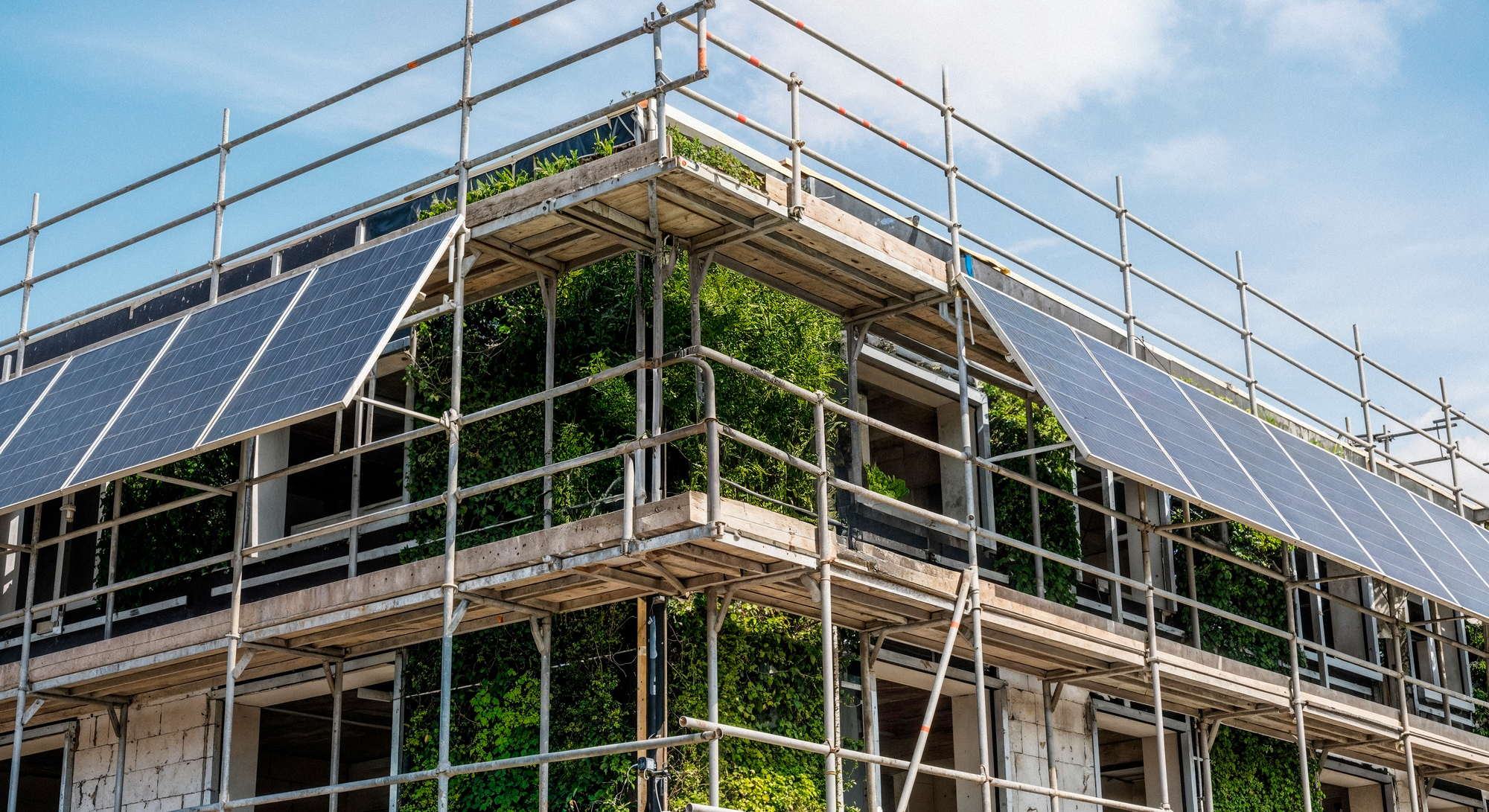
For decades, precast construction was primarily associated with large infrastructure projects.Roads, drainage networks, utility corridors, industrial developments, and public works projects relied heavily on precast products because of their durability, consistency, and long-term performance.As a result, many people still associate precast construction with products such as RCC Pipes, Boc Culverts, drainage systems, and large-scale infrastructure developments.While these applications continue to be important, the role of precast construction has evolved significantly.Today, precast construction is being used in ways that would have been uncommon just a few years ago. From luxury villas and farmhouses to modular offices, renewable energy developments, logistics facilities, and industrial campuses, precast solutions are becoming part of modern construction conversations across Gujarat.At , we've witnessed this shift firsthand as project owners increasingly seek construction approaches that support efficiency, durability, and long-term value.
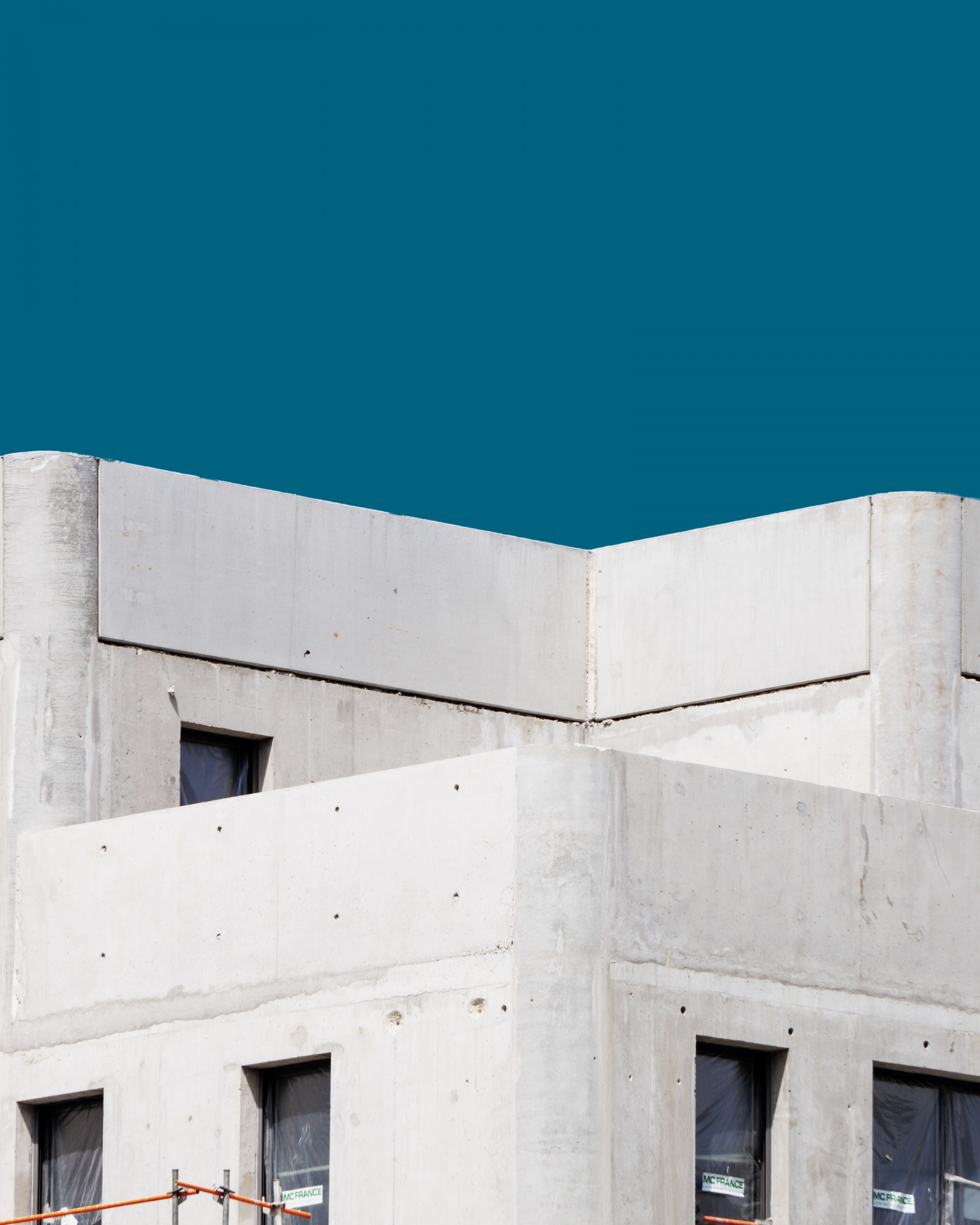
Gujarat has long been one of India's most dynamic growth engines.From industrial expansion and infrastructure development to logistics, renewable energy, manufacturing, and urban growth, the state's construction sector continues to evolve at a remarkable pace.However, the future of construction in Gujarat will not simply be defined by how much gets built.It will be defined by how efficiently projects are planned, executed, and maintained over time.Developers today face challenges that were far less significant a decade ago:rising construction costslabour shortagestighter project timelinessustainability expectationsincreasing infrastructure demandsAs these challenges continue to shape the industry, several trends are emerging that will influence the next generation of construction projects across Gujarat.At Sachi Precast, we believe understanding these trends is essential for developers, businesses, project owners, and infrastructure planners looking to make smarter long-term decisions.

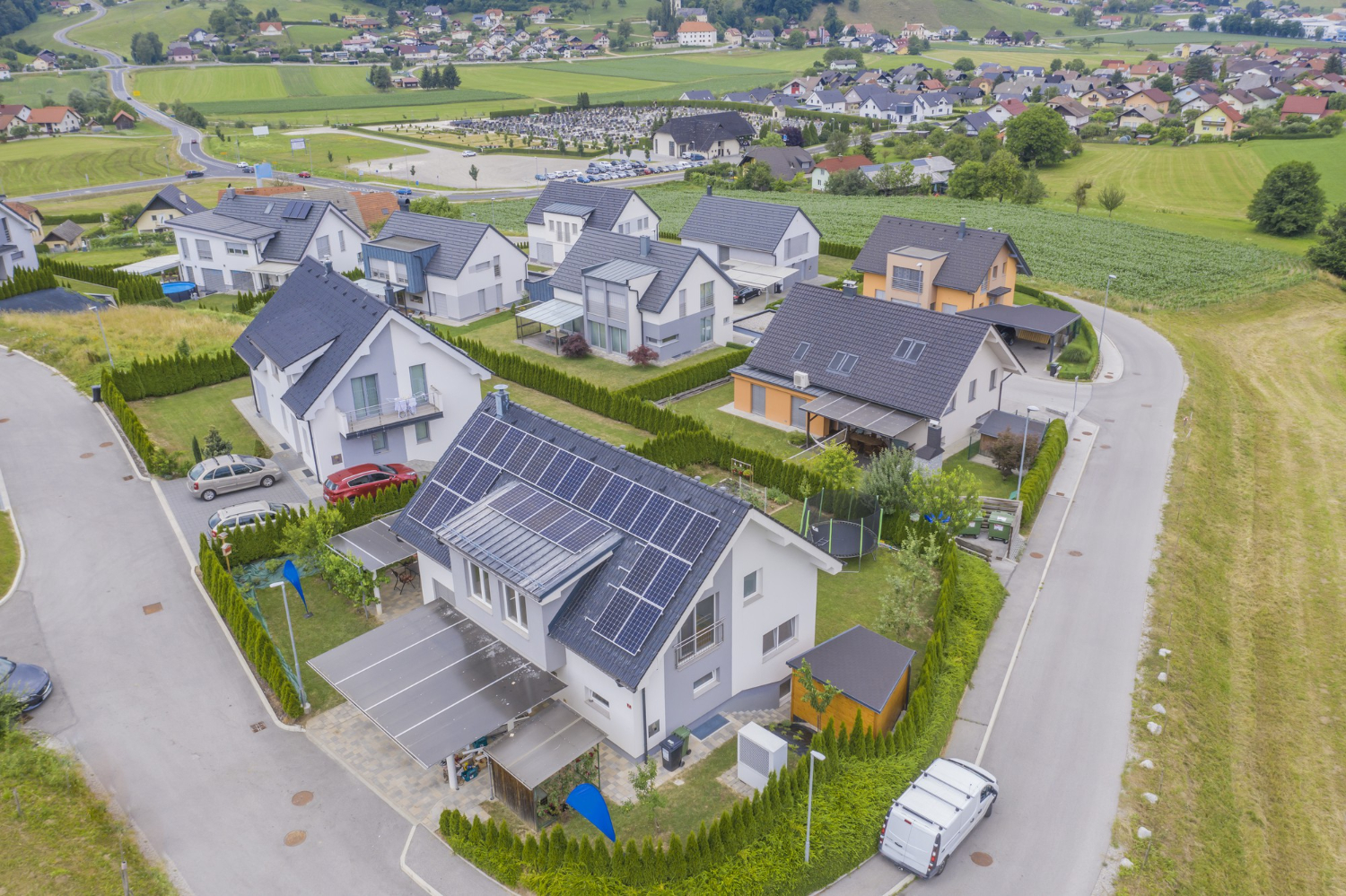
The way homeowners think about energy is changing.Rising electricity costs, increasing awareness of sustainability, and Gujarat's abundant sunshine have encouraged many families to explore solar energy as a long-term investment.However, one of the biggest mistakes homeowners make is waiting until after construction is complete before thinking about solar power.The best time to prepare for solar energy is actually before your home is built.Whether you're planning a villa in Ahmedabad, a farmhouse near Gandhinagar, a weekend retreat, or a modern family home, designing a solar-ready home from the beginning can save time, reduce future modifications, and improve long-term efficiency.At Sachi Precast, we work with homeowners and developers who are increasingly looking for future-ready construction solutions that combine durability, efficiency, and adaptability.
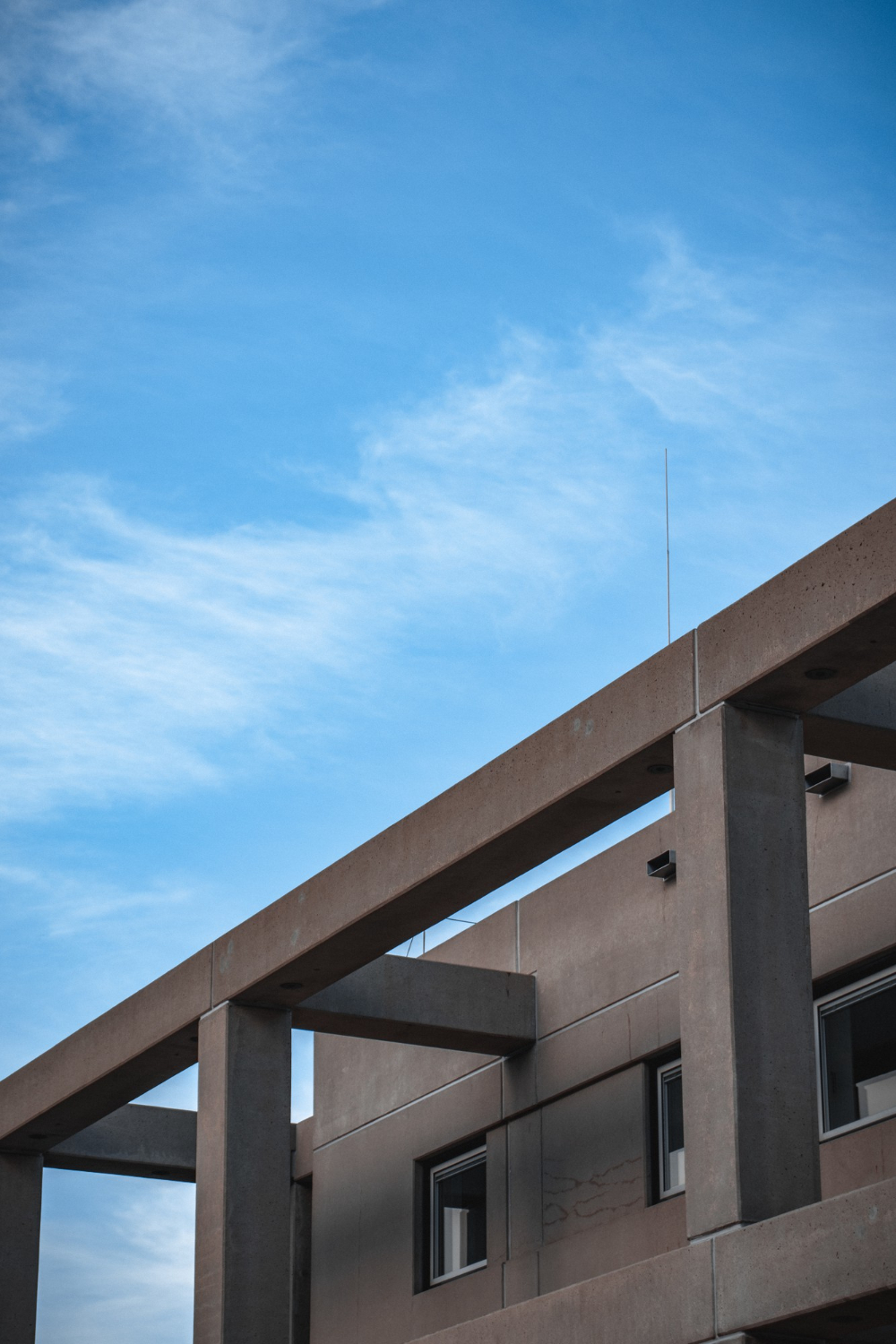
Building your own home is one of the most exciting and significant investments you'll ever make.Whether you're planning a family home, a luxury villa, a farmhouse, or a modern weekend retreat, the decisions you make before construction begins can have a major impact on your budget, timeline, and long-term satisfaction.In Ahmedabad, where rapid urban growth, extreme summer temperatures, and evolving construction technologies are reshaping the housing market, homeowners have more options than ever before.But before selecting designs, materials, or contractors, it is important to understand the factors that influence a successful home-building project.At Sachi Precast, we work with homeowners, developers, and project planners across Gujarat to deliver customized precast solutions that support efficient and durable construction from concept to completion.
If you've spoken to a homeowner, developer, contractor, or business owner recently, you've probably heard the same concern:Construction is becoming more expensive every year. Across Gujarat, rising material prices, labour shortages, project delays, and increasing financing costs are forcing people to rethink how they approach construction.Whether it's a villa in Ahmedabad, a commercial building in Gandhinagar, a warehouse in Sanand, or an industrial project elsewhere in Gujarat, keeping construction costs under control has become one of the biggest challenges facing project owners today.As a result, many are beginning to ask an important question:Is there a smarter way to build? Increasingly, precast construction is emerging as a solution worth considering.
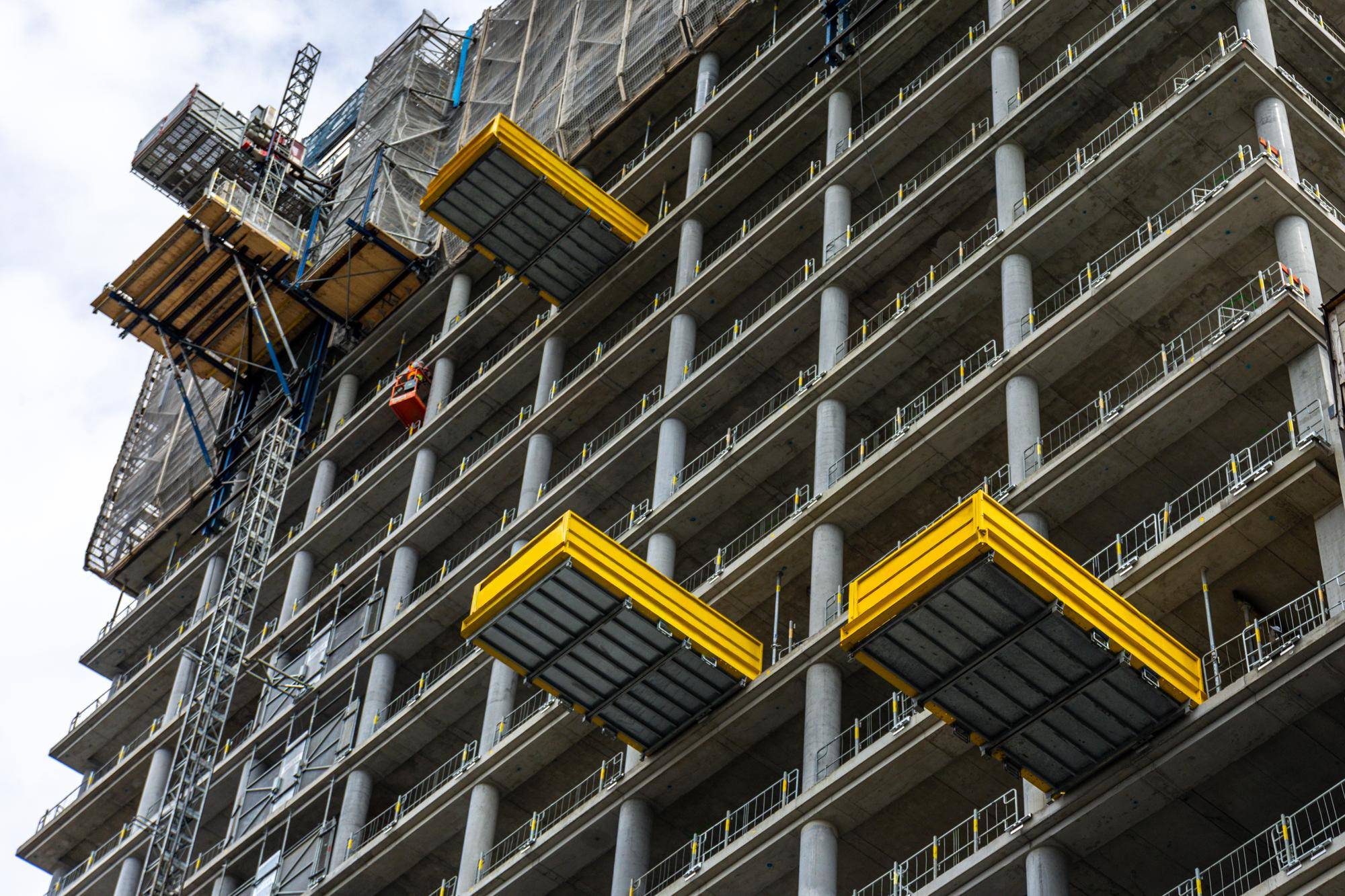
As the world moves toward renewable energy, solar power projects are growing rapidly across India. From utility-scale solar farms to industrial solar installations, the demand for reliable and efficient infrastructure has never been higher.However, building solar energy infrastructure comes with unique challenges. Developers need construction solutions that are fast, durable, cost-effective, and capable of performing under harsh environmental conditions.This is where precast concrete has emerged as one of the most effective solutions.Precast concrete is increasingly becoming the preferred construction method for solar energy infrastructure projects due to its strength, faster installation, lower maintenance requirements, and long-term reliability.Whether it is solar equipment foundations, inverter rooms, boundary walls, control rooms, cable trenches, or modular utility structures, precast concrete offers significant advantages over traditional construction methods.In this article, we will explore why precast concrete is the best choice for solar energy projects and how it supports faster, more efficient renewable energy development.

Traditionally, it takes several months or even a year to build a house in India. Labour availability, weather, material availability and the increase in construction costs can often hinder the process and make it slow and stressful. But if you can construct a solid, strong and contemporary home in 30 days?The answer is — yes, in many cases, it is possible through precast construction.Precast housing is changing the housing construction landscape of India with respect to both site housing and precast housing, including precast farmhouses, precast labour housing and precast site offices. Rather than building brick by brick onsite, large structural elements are produced in a controlled factory setting, then speedily delivered to the site.This guide will tell you all about a precast house, how a ready-made house can actually be built in 30 days, the actual construction time, the advantages of a precast house, the misconceptions and the growing popularity of fast construction houses in India.

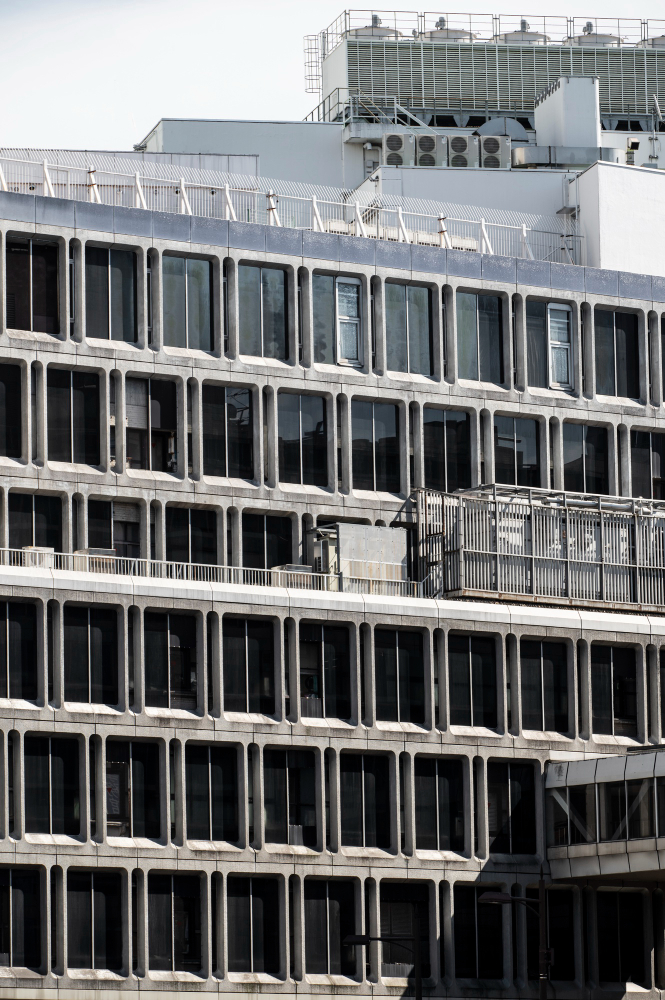
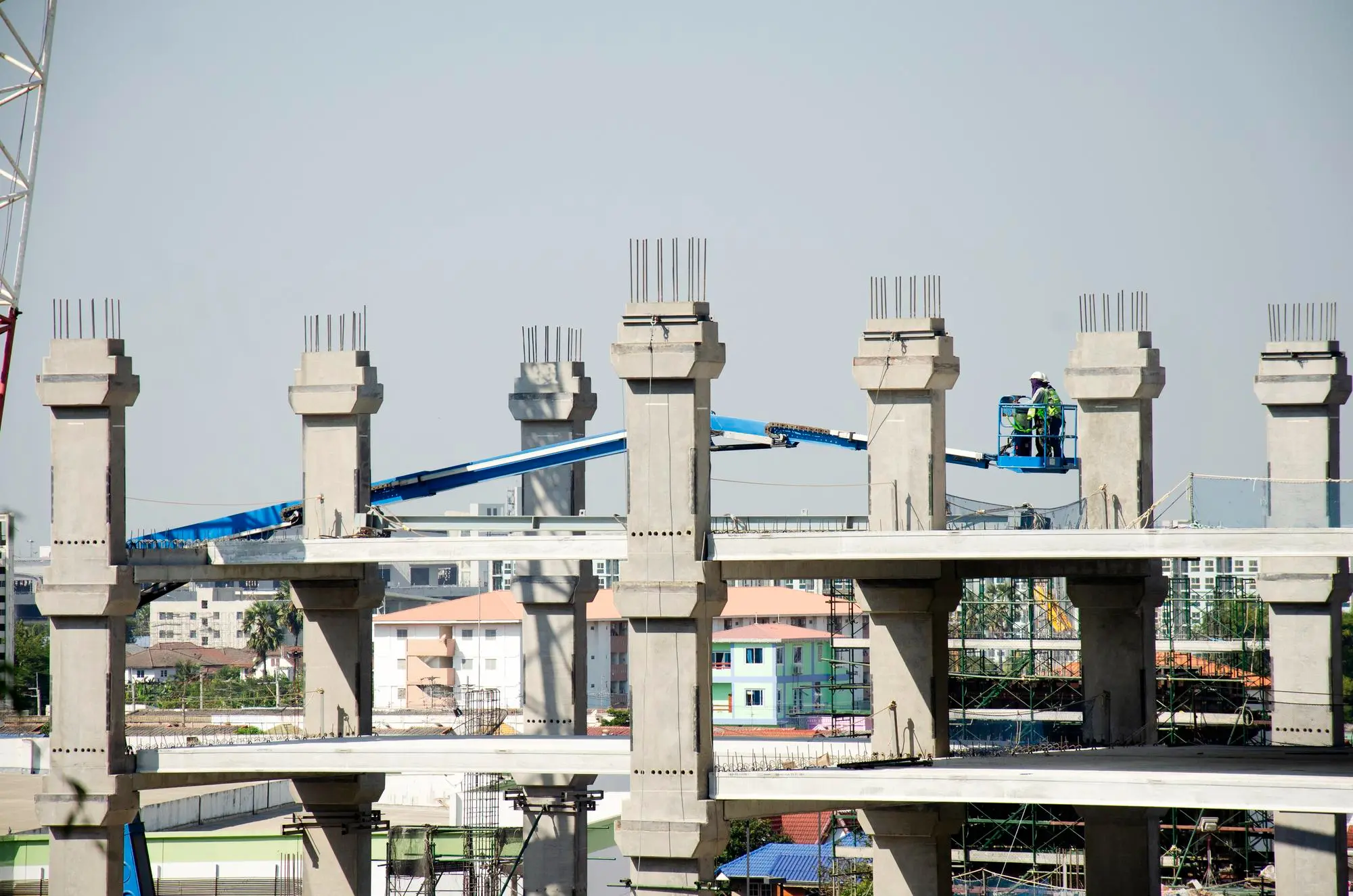
India’s infrastructure sector is rapidly evolving, and Gujarat is emerging as one of the leading states driving modern transportation development. From highways and industrial corridors to flyovers and railway bridges, the demand for durable and faster bridge construction systems has increased significantly in recent years.Precast construction technology has become one of the most efficient methods for building bridges because it offers faster execution, improved quality control, enhanced durability, and reduced construction delays. Instead of manufacturing structural elements directly at the project site, precast bridge components are produced in controlled factory environments and then transported for installation.
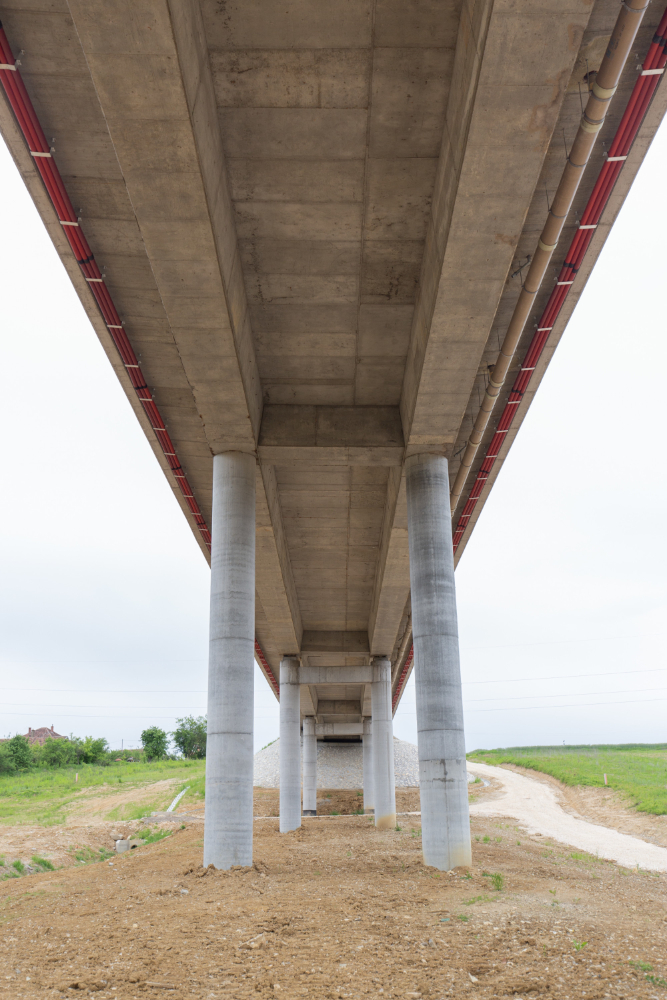

Extreme summer temperatures across India, especially in regions like Gujarat, can significantly impact building comfort, structural durability, and long-term performance.At Sachi Precast, we often receive a common question from both infrastructure developers and individual property owners:Does precast construction help keep buildings cooler during hot summers?The answer lies in how precast concrete behaves under heat compared to traditional construction methods.
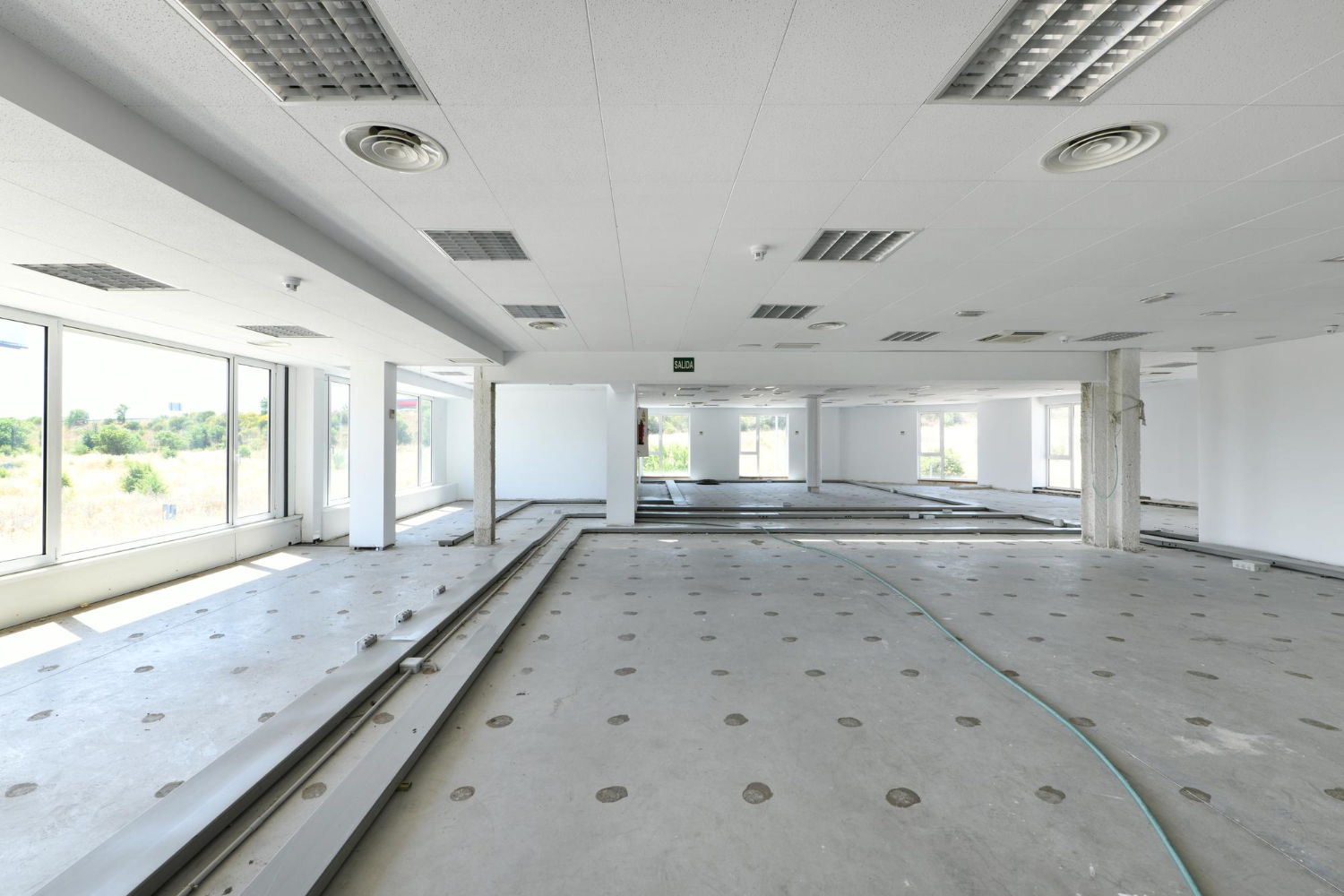

Ready Made Precast Housesolutions are rapidly transforming the construction industry in India. Today, homeowners, businesses, and developers are looking for faster, cost-effective, and durable construction methods. This is where precast technology comes in as a modern solution for building high-quality structures in less time.At Sachi Precast, we specialize in delivering innovative ready made precast houses that combine strength, speed, and smart design — making construction easier and more efficient than ever before.
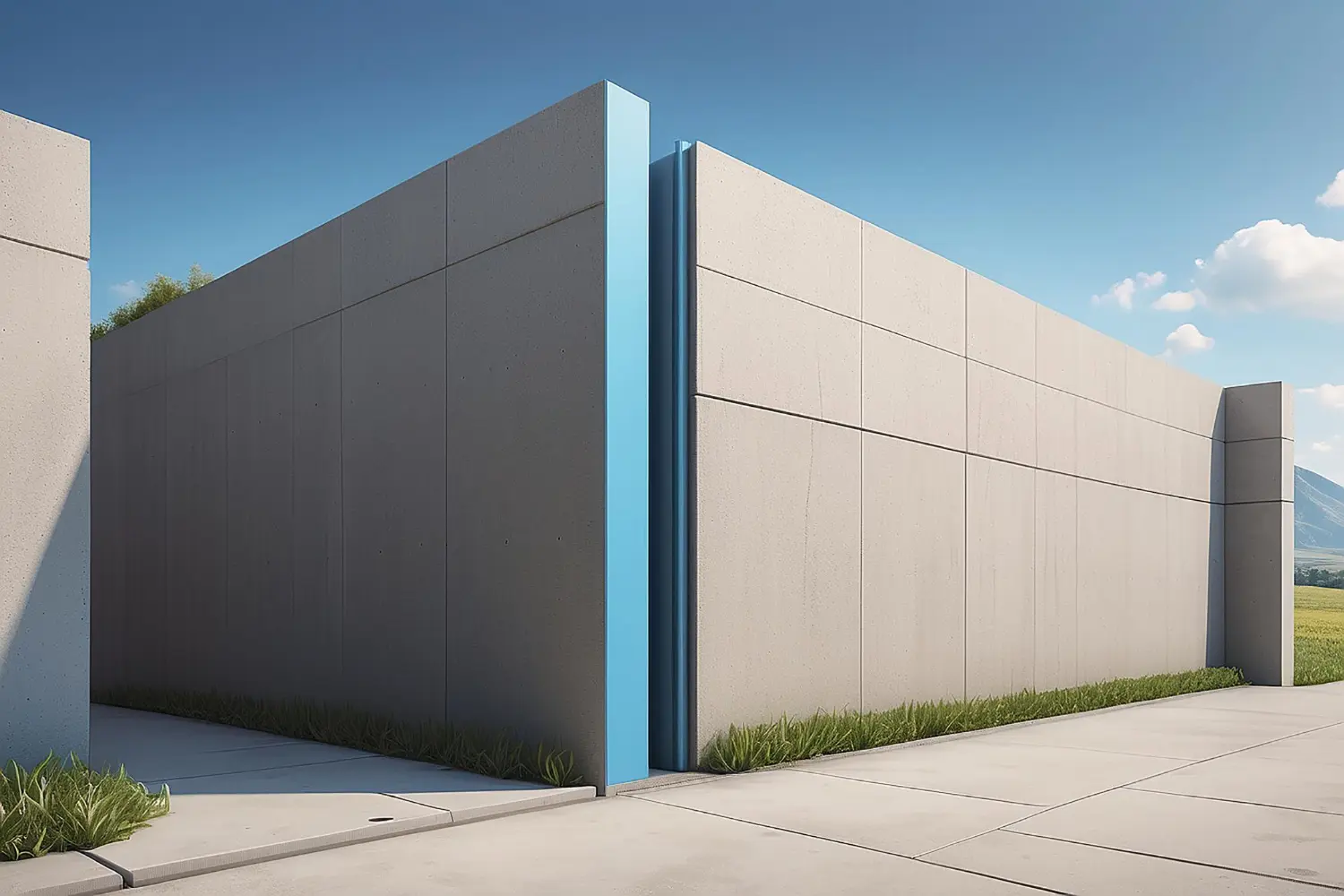
Precast boundary walls offer a fast, durable, and cost-effective solution for industrial and infrastructure projects. Manufactured in controlled factory environments, they ensure consistent quality, high structural strength, quick installation, and minimal maintenance. With added benefits such as enhanced security, long service life, and eco-friendly construction practices, precast boundary walls are becoming the preferred choice for factories, warehouses, power plants, and large industrial developments. Sachi Precast delivers reliable, high-performance boundary wall solutions tailored to modern industrial requirements.
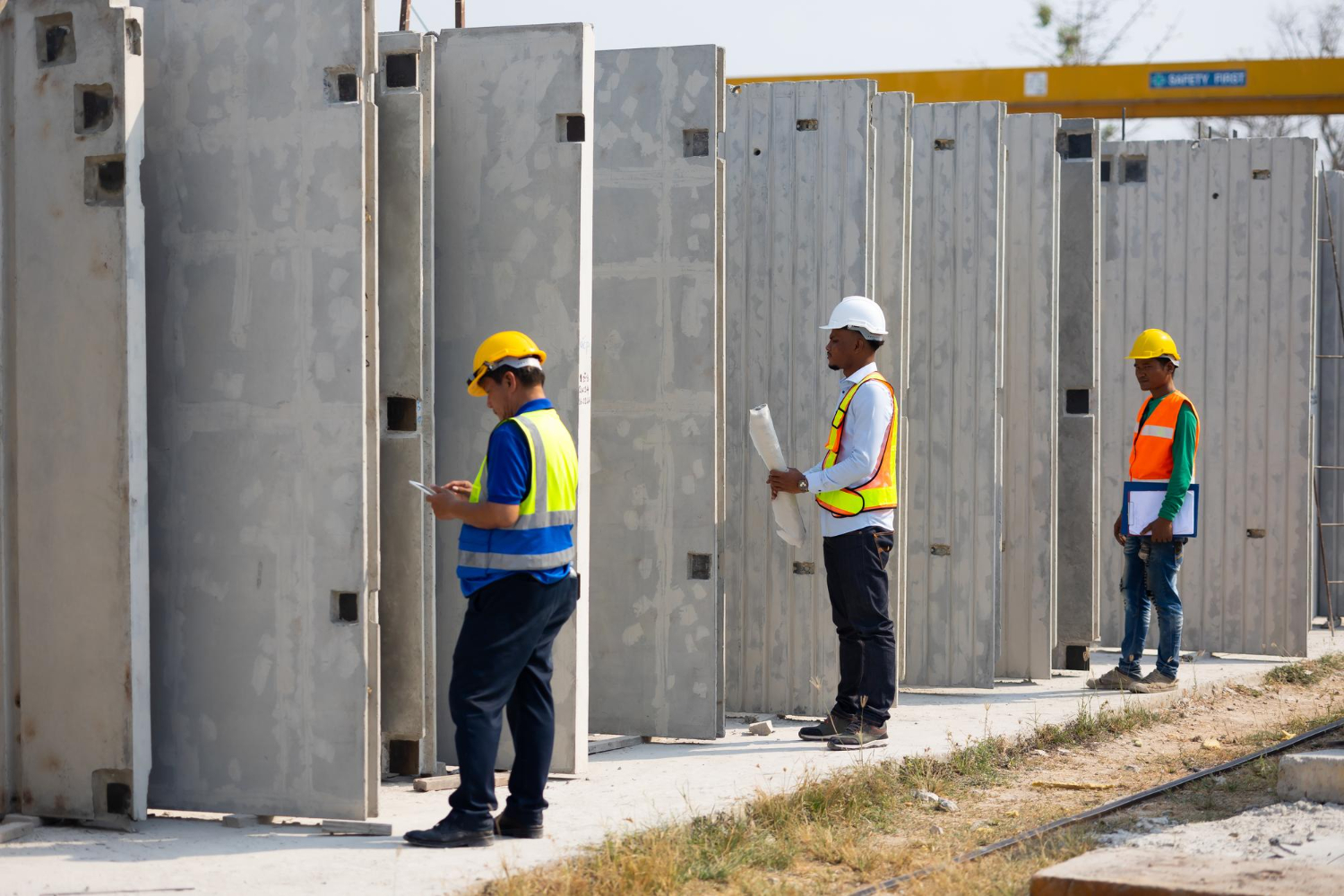
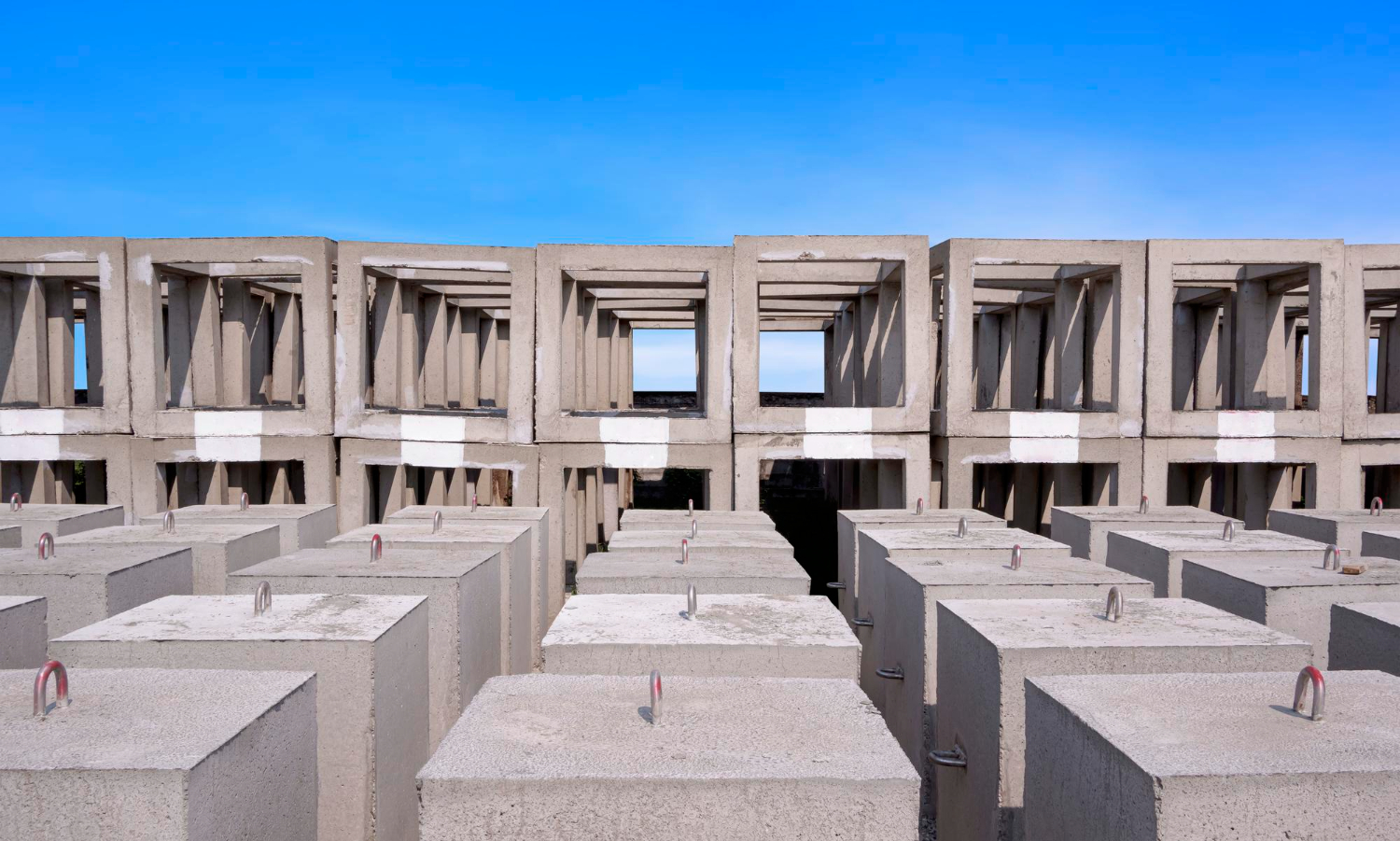
Constructors are quickly turning to precast foundation systems due to the fact that they are quicker to build, the quality remains uniform, less reliant on labor and costs less in the long run. With time, durability, and scalability counting more than ever in a market, precast technology addresses several on-site issues, making it a favorite among contemporary infrastructure and housing projects. The India Construction business is changing rapidly. Conventional ways of foundations- slow, laborious and weather contingent- are being phased out in favor of smarter alternatives. Precast foundation systems are one such innovation that is set at an enormous rate.In residential buildings and in large commercial locations, contractors are running towards the use of precast to save time, save money, and enhance the quality of the structure. However, what is it that is causing this change?
In today’s fast-growing infrastructure sector, precast box culverts have become a preferred solution for drainage systems, road crossings, railways, and urban development projects. With increasing demand for durability, speed, and quality construction, contractors and engineers are actively searching for reliable precast box culvert manufacturers in Ahmedabad.
If you are planning a construction or infrastructure project, understanding the quality standards, manufacturing process, and applications of precast box culverts is essential before choosing the right supplier.
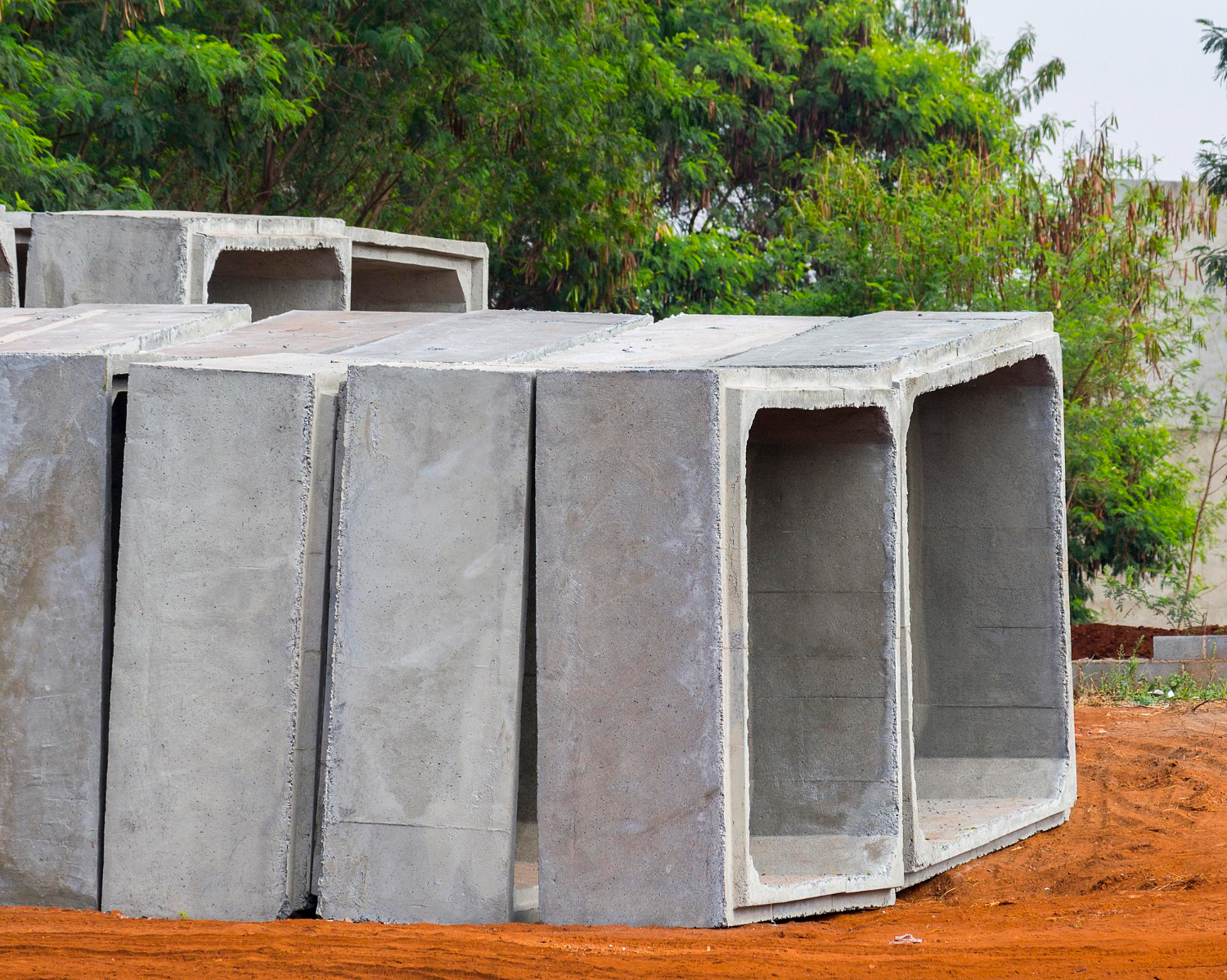

Precast construction helps build houses and modular offices faster because components are manufactured off-site in a controlled factory and then assembled on-site, reducing construction time by up to 50–70%. It eliminates delays caused by weather, labor inefficiencies, and on-site material handling.
The construction industry is rapidly evolving, and one of the biggest innovations driving this change is precast offices manufacturing. Businesses today need faster, cost-effective, and high-quality workspace solutions—and precast technology is delivering exactly that.From construction sites to corporate setups, precast offices are becoming the preferred choice due to their speed, durability, and efficiency. In this guide, we will explore everything you need to know about precast offices, including their manufacturing process, benefits, and why they are shaping the future of modern workspaces.
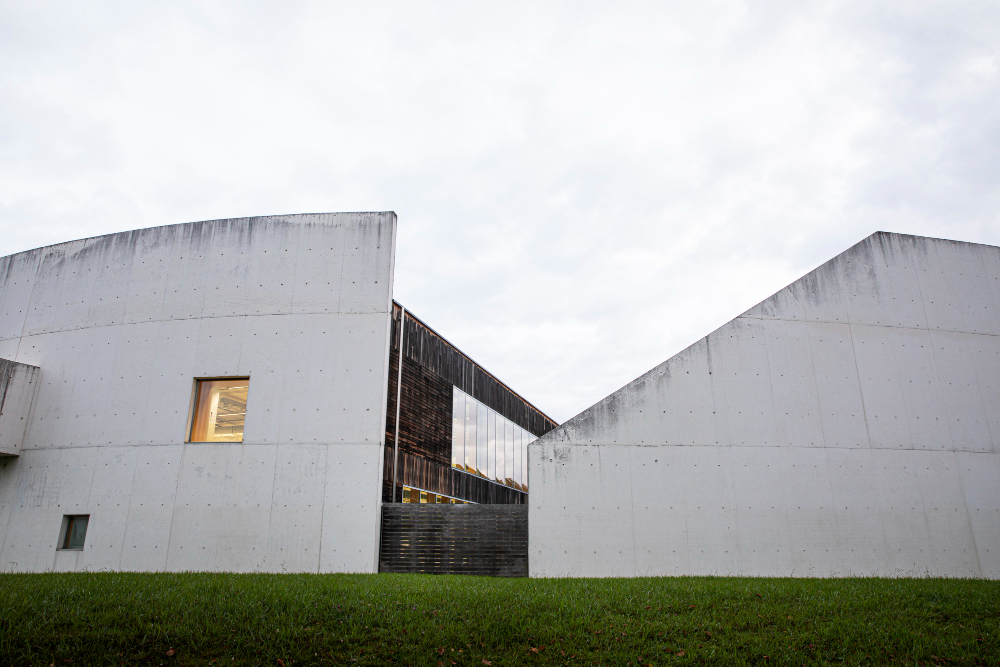
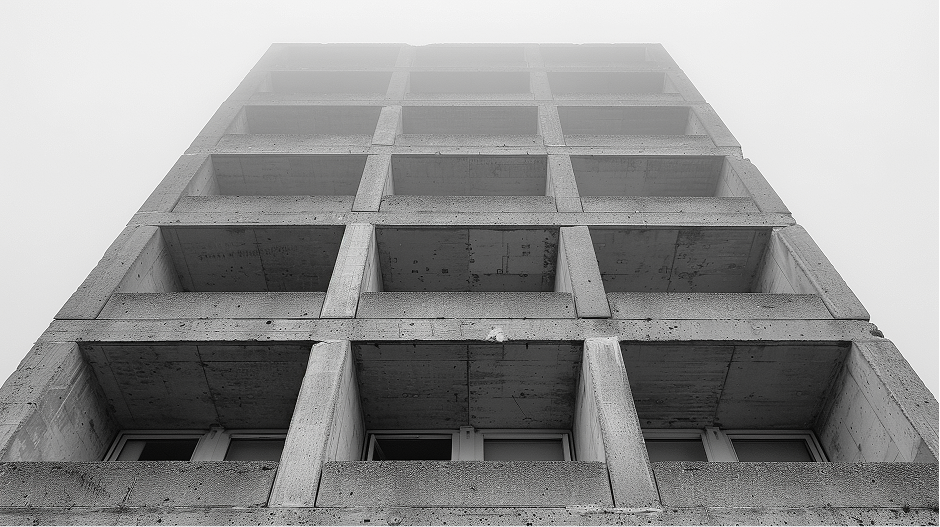
Precast concrete has changed the way the construction industry is done since it provides quicker performance, uniformity, and durability. Infrastructure, commercial and residential construction, and precast solutions are becoming popular with builders to accelerate the project schedule as well as enhance structural performance.Nevertheless, the mere application of precast elements is insufficient; it is the true value to make the most of it with appropriate planning, designing, and implementation. In this guide, we shall be discussing how you can make the best out of precast concrete in your projects.
One of the building industries that are transforming because of its fast, safe and efficient building solutions is the modular precast construction. In contrast to the conventional process, modular precast is the process that consists of building elements manufactured in a well-regulated factory and fitted together on the site. The technique is predominately employed in high rise buildings, residential projects and infrastructure developments around the globe.This blog will address the main advantages, issues, and practical implementation examples of modular precast construction, which will be a full guide to builders, engineers, and homeowners.


Precast systems using septic tanks are emerging as a dependable and effective wastewater treatment measure of residential, commercial, and industrial buildings. With the ever-increasing urban development in India, there has been a great demand of durable and long-lasting sanitation infrastructure. The precast concrete technology has become a primary focus by many manufacturers of the septic tanks to provide more robust, quicker and less costly septic tank solutions.The demand of the city such as Ahmedabad, Gujarat has risen to find companies that produce reliable septic tanks as a result of the intense construction in residential societies, commercial complexes and rural housing projects. Septic tank precast concrete systems offer an improved system of septic tanks compared to the old brick built ones, as they are more durable, quick to set up, and have higher hygiene standards. Consequently, the owners and constructors of properties are moving towards the manufacturers of septic tanks in India, which specialize in precast concrete solutions.
Choosing the right construction method is one of the most important decisions in any infrastructure or industrial project. The method you select directly affects your project timeline, overall cost, structural durability, and long-term performance.In India’s rapidly evolving construction sector, developers and contractors are increasingly comparing two major approaches: traditional on-site construction and precast concrete construction.Both methods use concrete. Both can deliver strong structures. But the way they are executed — and the results they produce — can be very different.If you are planning a commercial, industrial, infrastructure, or large-scale development project, understanding this difference is critical.

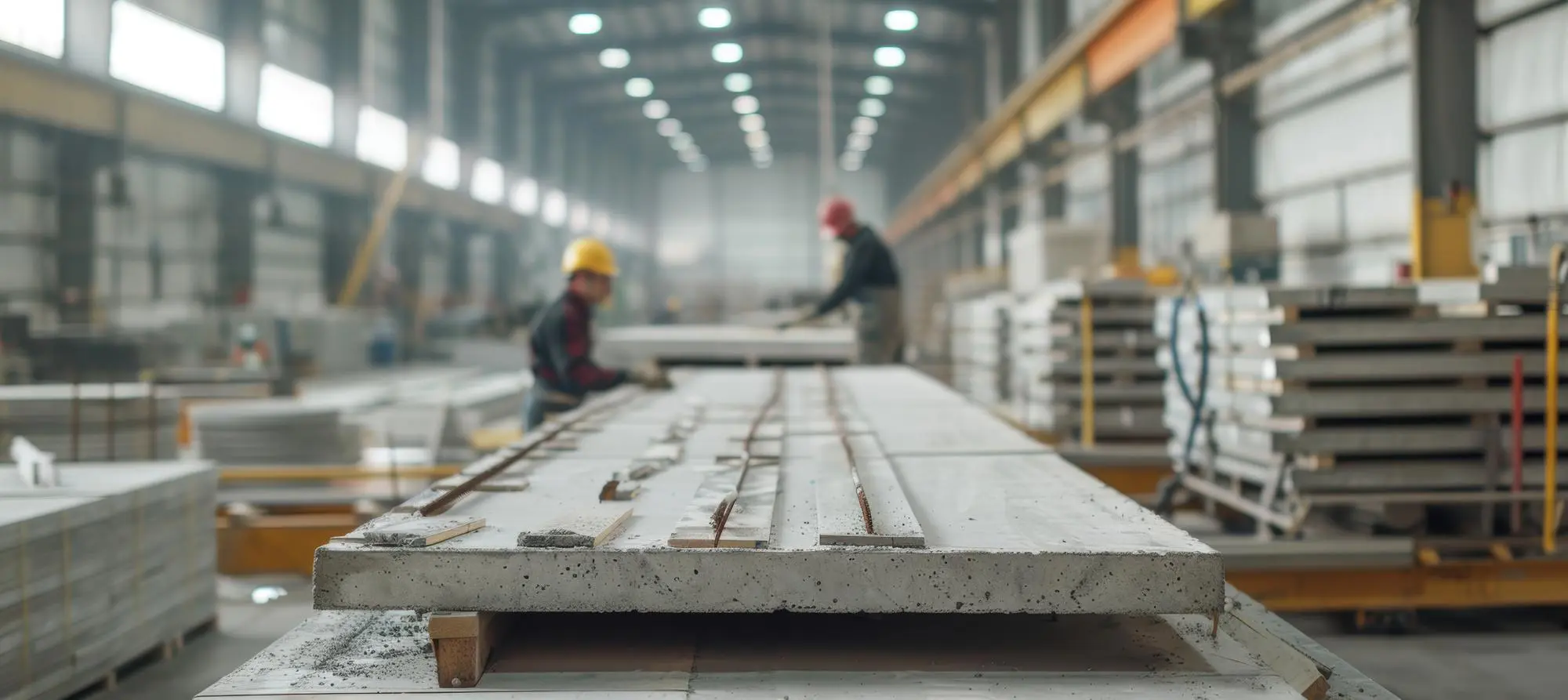
Precast slabs manufacturer in Ahmedabad, Gujarat is significant in ensuring a rising demand of construction solutions that are faster and more reliable. In the modern day construction sector, contractors and developers are inclined to use due to their enhanced durability, high quality products and fewer installation times than the conventional construction techniques. These slabs are manufactured under controlled factory environments which aids in keeping their strength, precision and durability. Whether one is building a residential, commercial, or industrial building, precast slabs have turned out to be a feasible and economical option. This paper will cover the kind of precast slabs, their prices in Ahmedabad, the advantages of this type of slab and other considerations that must be taken when selecting the appropriate manufacturer.

Precast slabs manufacturer in Ahmedabad, Gujarat is significant in ensuring a rising demand of construction solutions that are faster and more reliable. In the modern day construction sector, contractors and developers are inclined to use due to their enhanced durability, high quality products and fewer installation times than the conventional construction techniques. These slabs are manufactured under controlled factory environments which aids in keeping their strength, precision and durability. Whether one is building a residential, commercial, or industrial building, precast slabs have turned out to be a feasible and economical option. This paper will cover the kind of precast slabs, their prices in Ahmedabad, the advantages of this type of slab and other considerations that must be taken when selecting the appropriate manufacturer.
From ready-made precast components to fully customized solutions, we handle everything from manufacturing to on-site erection — delivering faster, stronger, and more efficient construction outcomes.